
وصف المنتج
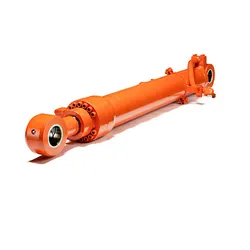
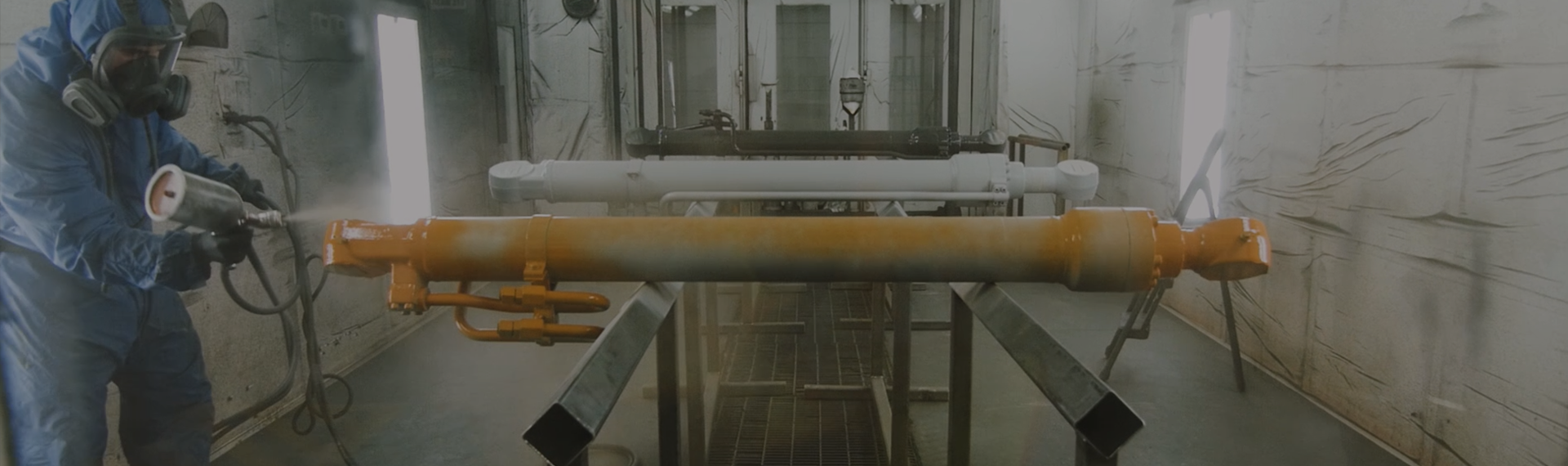
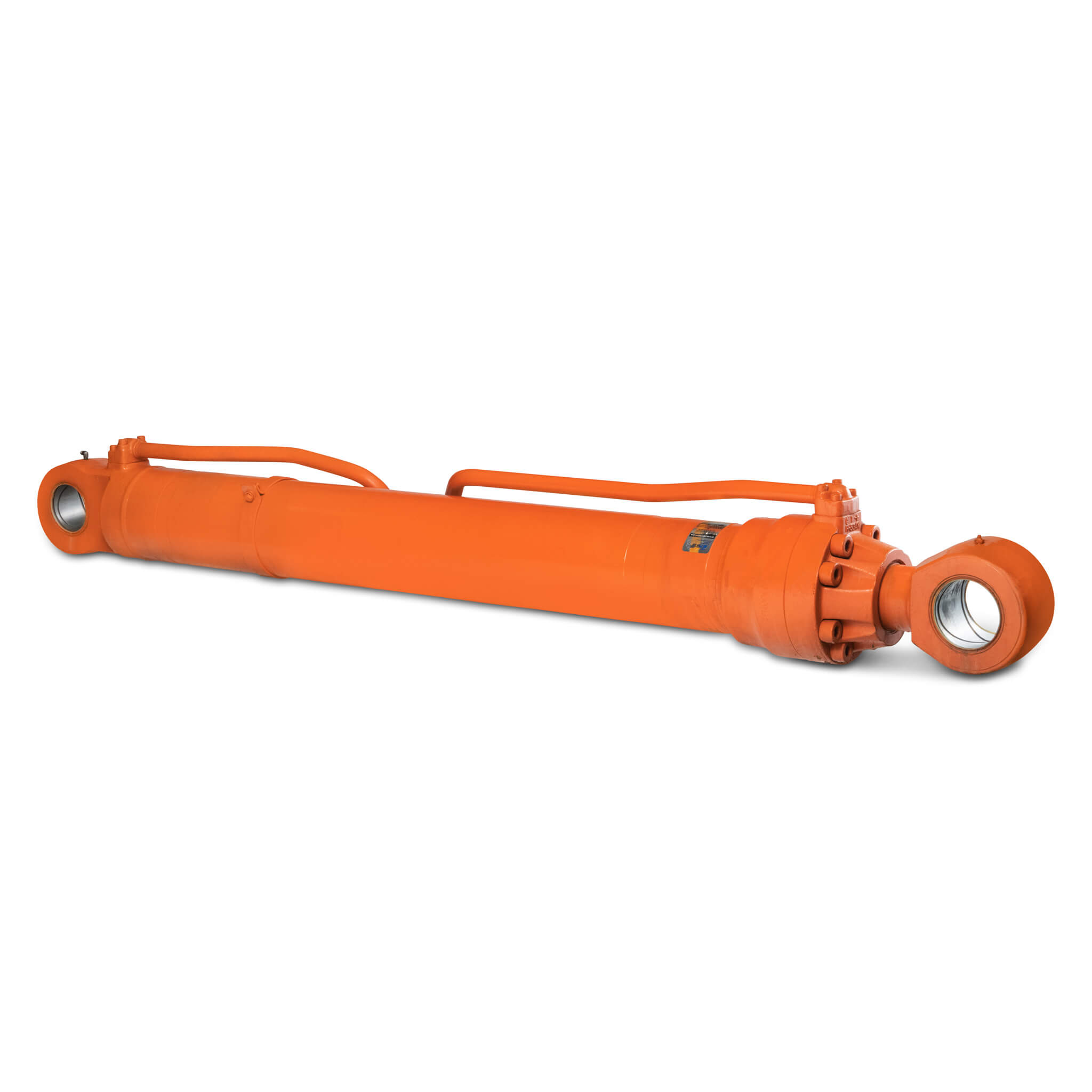
| اسم المنتج | CAT hydraulic boom/arm/bucket oil cylinder for sale | ||
| Material | stainless steel | ||
| طلب | construction industry machinery | ||
Shipping and Packing:
| Shipping Mode: | By air, by sea ,by express (DHL,Fedex, ,etc.) |
| Standard Shipping Time: | By air within 5-6 days. By DHL: within 4-5days.by sea about 1 month |
| Standard Packing: | Carton or wooden case |
| Special Packing: | We can discuss and support you. |
General Order Process:
*Step1: Contact us by online, Email , ,WhatsApp
*Step2: We discuss prices, lead time, payment terms, shipping mode, packing.
*Step3: Issuing PI for you and you confirm .
*Step4: Arrange payment
*Step5: Delivery
*Step6: Goods reach you.
*Step7: After-sale service special for you.
All kinds of excavator parts we can supply as follow:
1 Hydraulic parts: hydraulic pump, main valve, hydraulic cylinder, final drive, travel motor, swing motor etc.
2 Engine parts: engine ass’y, piston, piston ring, cylinder block, cylinder head, crankshaft, turbocharger,
fuel injection pump, starting motor and alternator etc.
3 Undercarriage part: Track roller, Carrier roller, Track Link, Track shoe, Sprocket, Idler and Idler cushion etc.
| After-sales Service: | Warranty |
|---|---|
| Warranty: | 6 Months |
| Type: | Excavator Bucket |
| Application: | Excavator |
| شهادة: | ISO9001: 2000 |
| Condition: | New |
| التخصيص: | متاح |
|
|---|
How does a boom cylinder handle variations in environmental conditions?
A boom cylinder is designed to handle variations in environmental conditions effectively. Here’s a detailed explanation:
Environmental conditions can vary significantly in different work environments where heavy equipment operates. Boom cylinders are constructed to withstand these variations and continue to function reliably. Here are some ways in which boom cylinders handle variations in environmental conditions:
- Sealing and Protection: Boom cylinders are equipped with seals and protective measures to prevent the intrusion of contaminants, such as dust, dirt, water, or debris. The seals help maintain the integrity of the hydraulic system and protect internal components from damage caused by environmental factors. Additionally, protective coatings or treatments are often applied to the cylinder’s exterior to enhance its resistance to corrosion and wear.
- Temperature Resistance: Boom cylinders are designed to operate within a wide temperature range. They are constructed using materials that can withstand both high and low temperatures without compromising performance. Specialized seals and hydraulic fluids are utilized to maintain proper functionality and prevent damage, even in extreme temperature conditions.
- Fluid Compatibility: Hydraulic fluids used in boom cylinders are carefully selected to ensure compatibility with the anticipated environmental conditions. Factors such as temperature, humidity, and chemical exposure are taken into account when choosing the appropriate hydraulic fluid. The selected fluid should have the necessary viscosity and additives to provide optimal lubrication, prevent foaming, and resist degradation under the specific environmental conditions.
- Corrosion Resistance: Boom cylinders are often exposed to environments that may contain corrosive elements, such as saltwater, chemicals, or acidic substances. To handle these conditions, cylinders are manufactured using materials that exhibit high corrosion resistance. Protective coatings, such as chrome plating or specialized paint, can be applied to further enhance the cylinder’s ability to withstand corrosive environments.
- Regular Maintenance: Proper and regular maintenance is essential to keep boom cylinders in optimal condition and mitigate the effects of environmental variations. This includes inspections, cleaning, lubrication, and seal replacements as needed. By following manufacturer-recommended maintenance schedules and procedures, operators can address potential issues early on and ensure the longevity and reliability of the boom cylinders.
By incorporating sealing and protection mechanisms, temperature resistance, fluid compatibility, corrosion resistance, and regular maintenance practices, boom cylinders are designed to handle variations in environmental conditions. These features enable them to operate effectively and maintain their performance in diverse work environments, including construction sites, mining operations, forestry applications, and more.
It’s important to consult the equipment manufacturer’s guidelines and recommendations for specific environmental considerations and maintenance practices related to boom cylinders. This will help ensure the proper functioning and longevity of the cylinders in various operating conditions.
كيف تساهم أسطوانة ذراع الرافعة في توزيع الأحمال والتحكم بها؟
يلعب أسطوانة ذراع الرافعة دورًا هامًا في توزيع الأحمال والتحكم بها. إليك شرحًا مفصلًا:
في تطبيقات متنوعة مثل معدات البناء، وآلات مناولة المواد، والرافعات المتنقلة، تتولى أسطوانات ذراع الرافعة مسؤولية دعم الحمل والتحكم فيه. فهي تساعد على توزيع قوى الحمل وتوفير تحكم دقيق في حركة ذراع الرافعة. إليك كيفية مساهمة أسطوانة ذراع الرافعة في توزيع الحمل والتحكم فيه:
- دعم الأحمال: صُممت أسطوانات ذراع الرافعة لتحمل ودعم الأحمال التي تتعرض لها أثناء التشغيل. تُركّب عادةً بين الهيكل الرئيسي للآلة وهيكل ذراع الرافعة، مما يوفر اتصالاً يتحمل وزن وقوى الحمل. يضمن التصميم المتين للأسطوانة وقدرتها على تحمل الأحمال توزيع الحمل بالتساوي ودعمه بشكل صحيح.
- توليد القوة: تولد أسطوانات ذراع الرافعة القوة اللازمة للتحكم في حركة الذراع. فمن خلال تمديدها أو تقليصها، تُسلط الأسطوانة قوة على الذراع، مما يسمح لها بالرفع أو الخفض أو التأرجح أو التمفصل حسب الحاجة. وتضمن قدرة الأسطوانة على توليد القوة وتنظيمها تحكمًا دقيقًا في الحمولة، مما يُسهم في التشغيل الآمن والفعال.
- تثبيت الحمولة: تساعد أسطوانات ذراع الرافعة على تثبيت الحمولة أثناء الرفع أو النقل. فمن خلال مقاومة الحركات أو الاهتزازات غير المرغوب فيها، تُسهم الأسطوانة في الحفاظ على استقرار الحمولة ومنع التأرجح أو الميلان أو الانزلاق المفرط. وتُساعد الحركة المُتحكَّم بها التي توفرها الأسطوانة على تقليل مخاطر تلف الحمولة أو الحوادث، مما يضمن عمليات أكثر أمانًا وتحكمًا.
- التوازن والمحاذاة: تساعد أسطوانات ذراع الرافعة في تحقيق توازن ومحاذاة الحمولة. فمن خلال التحكم في امتداد أو انكماش ذراع الرافعة، تُمكّن المشغلين من ضبط موضع الحمولة بالنسبة لمركز ثقل الآلة. وتساعد هذه القدرة على تحقيق التوازن على تحسين الاستقرار، ومنع الانقلاب، وتمكين تحديد موضع الحمولة بدقة.
- سرعة مُتحكَّم بها: تُتيح أسطوانات ذراع الرافعة تحكمًا دقيقًا في سرعة حركة الحمولة. فمن خلال تنظيم سرعة التمديد أو الانكماش، تسمح الأسطوانة للمشغلين بضبط سرعة الرفع أو الخفض وفقًا لمتطلبات المهمة. تُحسِّن هذه السرعة المُتحكَّم بها دقة مناولة الحمولة، وتقلل من قوى الصدم، وتُحسِّن السلامة العامة.
يوفر استخدام أسطوانة ذراع الرافعة في توزيع الأحمال والتحكم بها العديد من المزايا:
- تعزيز السلامة: تساهم أسطوانات ذراع الرافعة في استقرار الحمولة وتوازنها وحركتها المتحكم بها، مما يقلل من خطر حوادث الحمولة أو عدم استقرارها.
- التعامل الدقيق مع الأحمال: إن توليد القوة والسرعة المتحكم بها التي توفرها أسطوانات ذراع الرافعة تمكن المشغلين من التعامل مع الأحمال بدقة، مما يضمن وضعها بدقة ويقلل من احتمالية حدوث الضرر.
- تحسين الكفاءة: تعمل أسطوانات ذراع الرافعة على تسهيل توزيع الأحمال والتحكم فيها بكفاءة، مما يعزز الإنتاجية ويقلل الوقت اللازم لإنجاز المهام.
- تحسين قدرة التحميل: من خلال دعم وتوزيع قوى التحميل، تساعد أسطوانات ذراع الرافعة على تحسين قدرة التحميل وأداء الآلة.
بشكل عام، يُعدّ أسطوانة ذراع الرافعة عنصرًا أساسيًا في توزيع الأحمال والتحكم بها. فهي توفر الدعم للحمل، وتولّد القوة، وتثبّت الحمل، وتساعد في تحقيق التوازن والمحاذاة، وتتيح التحكم في السرعة. وتساهم هذه الميزات في مناولة الأحمال بشكل آمن ودقيق وفعّال في مختلف التطبيقات.
من المهم اتباع إرشادات وتوصيات الشركة المصنعة فيما يتعلق باختيار وتركيب وصيانة أسطوانات ذراع الرافعة لضمان عملها بشكل صحيح والتحكم الأمثل في الحمل.
What are the key components and features of a boom cylinder?
A boom cylinder consists of several key components and features that enable its functionality and performance in heavy machinery. Here’s a detailed explanation:
- Cylinder Barrel: The cylinder barrel is the main body of the boom cylinder, typically made of high-strength steel. It houses the piston, seals, and other internal components. The cylinder barrel is designed to withstand high pressure and provide structural integrity to the cylinder.
- Piston: The piston is a cylindrical component that moves back and forth inside the cylinder barrel. It is usually made of durable materials and acts as a barrier between the two chambers of the cylinder. The piston divides the cylinder into a rod side and a cap side, allowing hydraulic fluid to act on one side or the other to create the desired motion.
- Rod: The rod is a solid metal shaft attached to the piston and extending outside the cylinder barrel. It transmits the force generated by the hydraulic fluid to the boom or other connected components. The rod is designed to withstand tensile and compressive forces and is often coated or treated to resist corrosion and wear.
- Seals: Seals are essential components that prevent hydraulic fluid leakage and maintain the integrity of the cylinder. They are positioned between the piston, rod, and cylinder barrel to create a tight seal. Common types of seals used in boom cylinders include piston seals, rod seals, and wiper seals.
- Ports and Fittings: Boom cylinders have ports and fittings that allow the connection of hydraulic hoses or pipes to supply hydraulic fluid. These ports enable the controlled flow of hydraulic fluid into and out of the cylinder, creating the necessary pressure for boom movement.
- Mounting Brackets: Mounting brackets are used to attach the boom cylinder to the heavy machinery’s frame or structure. They provide stability and support, ensuring proper alignment and secure installation of the cylinder.
- Internal Cushions: Some boom cylinders feature internal cushions or shock absorbers. These cushions help dampen the impact and reduce vibrations during the extension or retraction of the boom. Internal cushions improve the smoothness of boom movement, enhance operator comfort, and reduce stress on the cylinder and other components.
- Corrosion Protection: Boom cylinders are often coated or treated with corrosion-resistant materials to withstand harsh environmental conditions. These protective measures help extend the cylinder’s lifespan and maintain its performance over time.
- Load Capacity and Pressure Rating: Boom cylinders are designed with specific load capacities and pressure ratings to handle the heavy loads and pressures involved in heavy machinery operations. The load capacity and pressure rating determine the cylinder’s strength and suitability for different applications.
In summary, the key components and features of a boom cylinder include the cylinder barrel, piston, rod, seals, ports and fittings, mounting brackets, internal cushions, corrosion protection, load capacity, and pressure rating. These components and features work together to enable the controlled extension, retraction, lifting, and lowering of the boom in heavy machinery, ensuring efficient and reliable operation.


editor by CX 2023-11-17