
وصف المنتج
9F820-62571 Combined front lamp of FL956 FL956F FL936F WHEEL LOADER
Variable pump Gear shift pump Variable-speed speed pump assy 11C07-608 11C LG853.03.01.10 transmission pump
Variant pump Transmission Pump Gearshift pump Variable speed pump 2BS315.30.2 80305712 for loader LW3 for backhoe loader
Transmission friction plate
Be the same with: Machinery Repair Shops; Construction works .Manufacturing Plant
Construction Machinery and Wheel Loader Parts.
| Type: | Carrosserie |
|---|---|
| شهادة: | ISO9001 |
| Driving System Parts: | Wheel |
| Electrical System Parts: | Starting System |
| Brake System Parts: | Brake Control |
| Main Market: | Middle East |
| التخصيص: | متاح |
|
|---|
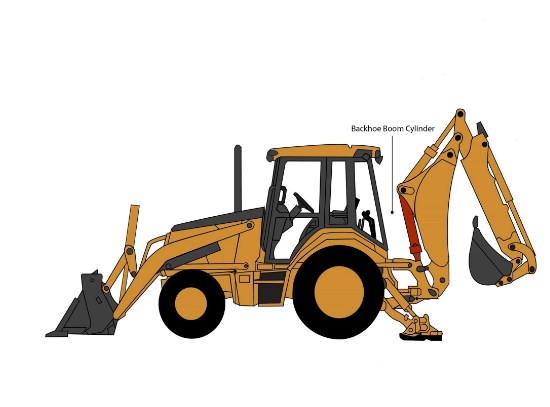
How does a boom cylinder contribute to precise boom positioning?
A boom cylinder plays a crucial role in achieving precise boom positioning. Here’s a detailed explanation:
Precise boom positioning is essential in various applications, including construction equipment, such as cranes and aerial lifts. Boom cylinders contribute to precise boom positioning in the following ways:
- Controlled Extension and Retraction: Boom cylinders enable controlled extension and retraction of the boom. By adjusting the hydraulic pressure within the cylinder, operators can precisely position the boom at desired lengths. This controlled movement ensures accurate reach and avoids overshooting or undershooting the target position.
- Smooth Articulation: Boom cylinders provide smooth articulation of the boom sections. They allow for controlled movement and precise positioning of the boom’s multiple segments, such as the main boom, jib, or telescopic sections. Smooth articulation ensures seamless boom operation and precise positioning of the load or working platform.
- Load Stabilization: Boom cylinders help stabilize the load during boom movement. They counterbalance the weight of the load and provide stability, minimizing swinging or swaying of the load during positioning. This stability is crucial for achieving precise positioning, especially when working with delicate or sensitive loads.
- Incremental Control: Boom cylinders offer incremental control over the boom’s movement. Operators can make small adjustments to the boom’s position by modulating the hydraulic pressure within the cylinder. This incremental control allows for fine-tuning and precise alignment of the boom, ensuring accurate positioning of the load or attachment.
- Operator Feedback: Many modern boom systems incorporate feedback mechanisms, such as sensors or load moment indicators. These systems provide real-time feedback to the operator about the boom’s position, angle, and load conditions. By monitoring this feedback, operators can make precise adjustments to achieve the desired boom positioning.
By enabling controlled extension and retraction, smooth articulation, load stabilization, incremental control, and operator feedback, boom cylinders significantly contribute to achieving precise boom positioning. These features ensure accurate reach, alignment, and stability, allowing operators to perform tasks with precision and efficiency.
It’s important to note that precise boom positioning also depends on other factors, such as the design and construction of the boom system, the operator’s skill and experience, and the integration of advanced control technologies in the equipment.

كيف تساهم أسطوانة ذراع الرافعة في توزيع الأحمال والتحكم بها؟
يلعب أسطوانة ذراع الرافعة دورًا هامًا في توزيع الأحمال والتحكم بها. إليك شرحًا مفصلًا:
في تطبيقات متنوعة مثل معدات البناء، وآلات مناولة المواد، والرافعات المتنقلة، تتولى أسطوانات ذراع الرافعة مسؤولية دعم الحمل والتحكم فيه. فهي تساعد على توزيع قوى الحمل وتوفير تحكم دقيق في حركة ذراع الرافعة. إليك كيفية مساهمة أسطوانة ذراع الرافعة في توزيع الحمل والتحكم فيه:
- دعم الأحمال: صُممت أسطوانات ذراع الرافعة لتحمل ودعم الأحمال التي تتعرض لها أثناء التشغيل. تُركّب عادةً بين الهيكل الرئيسي للآلة وهيكل ذراع الرافعة، مما يوفر اتصالاً يتحمل وزن وقوى الحمل. يضمن التصميم المتين للأسطوانة وقدرتها على تحمل الأحمال توزيع الحمل بالتساوي ودعمه بشكل صحيح.
- توليد القوة: تولد أسطوانات ذراع الرافعة القوة اللازمة للتحكم في حركة الذراع. فمن خلال تمديدها أو تقليصها، تُسلط الأسطوانة قوة على الذراع، مما يسمح لها بالرفع أو الخفض أو التأرجح أو التمفصل حسب الحاجة. وتضمن قدرة الأسطوانة على توليد القوة وتنظيمها تحكمًا دقيقًا في الحمولة، مما يُسهم في التشغيل الآمن والفعال.
- تثبيت الحمولة: تساعد أسطوانات ذراع الرافعة على تثبيت الحمولة أثناء الرفع أو النقل. فمن خلال مقاومة الحركات أو الاهتزازات غير المرغوب فيها، تُسهم الأسطوانة في الحفاظ على استقرار الحمولة ومنع التأرجح أو الميلان أو الانزلاق المفرط. وتُساعد الحركة المُتحكَّم بها التي توفرها الأسطوانة على تقليل مخاطر تلف الحمولة أو الحوادث، مما يضمن عمليات أكثر أمانًا وتحكمًا.
- التوازن والمحاذاة: تساعد أسطوانات ذراع الرافعة في تحقيق توازن ومحاذاة الحمولة. فمن خلال التحكم في امتداد أو انكماش ذراع الرافعة، تُمكّن المشغلين من ضبط موضع الحمولة بالنسبة لمركز ثقل الآلة. وتساعد هذه القدرة على تحقيق التوازن على تحسين الاستقرار، ومنع الانقلاب، وتمكين تحديد موضع الحمولة بدقة.
- سرعة مُتحكَّم بها: تُتيح أسطوانات ذراع الرافعة تحكمًا دقيقًا في سرعة حركة الحمولة. فمن خلال تنظيم سرعة التمديد أو الانكماش، تسمح الأسطوانة للمشغلين بضبط سرعة الرفع أو الخفض وفقًا لمتطلبات المهمة. تُحسِّن هذه السرعة المُتحكَّم بها دقة مناولة الحمولة، وتقلل من قوى الصدم، وتُحسِّن السلامة العامة.
يوفر استخدام أسطوانة ذراع الرافعة في توزيع الأحمال والتحكم بها العديد من المزايا:
- تعزيز السلامة: تساهم أسطوانات ذراع الرافعة في استقرار الحمولة وتوازنها وحركتها المتحكم بها، مما يقلل من خطر حوادث الحمولة أو عدم استقرارها.
- التعامل الدقيق مع الأحمال: إن توليد القوة والسرعة المتحكم بها التي توفرها أسطوانات ذراع الرافعة تمكن المشغلين من التعامل مع الأحمال بدقة، مما يضمن وضعها بدقة ويقلل من احتمالية حدوث الضرر.
- تحسين الكفاءة: تعمل أسطوانات ذراع الرافعة على تسهيل توزيع الأحمال والتحكم فيها بكفاءة، مما يعزز الإنتاجية ويقلل الوقت اللازم لإنجاز المهام.
- تحسين قدرة التحميل: من خلال دعم وتوزيع قوى التحميل، تساعد أسطوانات ذراع الرافعة على تحسين قدرة التحميل وأداء الآلة.
بشكل عام، يُعدّ أسطوانة ذراع الرافعة عنصرًا أساسيًا في توزيع الأحمال والتحكم بها. فهي توفر الدعم للحمل، وتولّد القوة، وتثبّت الحمل، وتساعد في تحقيق التوازن والمحاذاة، وتتيح التحكم في السرعة. وتساهم هذه الميزات في مناولة الأحمال بشكل آمن ودقيق وفعّال في مختلف التطبيقات.
من المهم اتباع إرشادات وتوصيات الشركة المصنعة فيما يتعلق باختيار وتركيب وصيانة أسطوانات ذراع الرافعة لضمان عملها بشكل صحيح والتحكم الأمثل في الحمل.
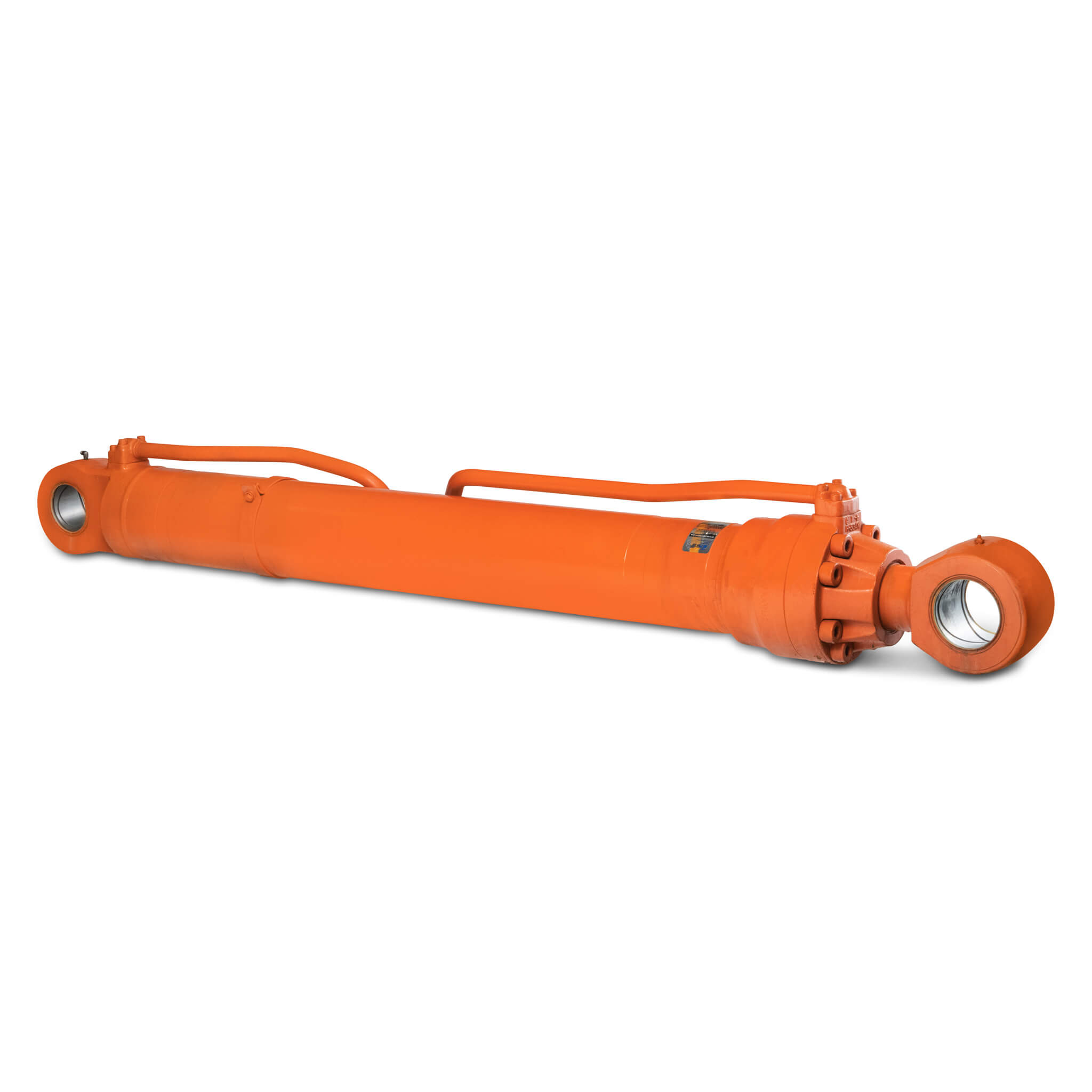
What are the key components and features of a boom cylinder?
A boom cylinder consists of several key components and features that enable its functionality and performance in heavy machinery. Here’s a detailed explanation:
- Cylinder Barrel: The cylinder barrel is the main body of the boom cylinder, typically made of high-strength steel. It houses the piston, seals, and other internal components. The cylinder barrel is designed to withstand high pressure and provide structural integrity to the cylinder.
- Piston: The piston is a cylindrical component that moves back and forth inside the cylinder barrel. It is usually made of durable materials and acts as a barrier between the two chambers of the cylinder. The piston divides the cylinder into a rod side and a cap side, allowing hydraulic fluid to act on one side or the other to create the desired motion.
- Rod: The rod is a solid metal shaft attached to the piston and extending outside the cylinder barrel. It transmits the force generated by the hydraulic fluid to the boom or other connected components. The rod is designed to withstand tensile and compressive forces and is often coated or treated to resist corrosion and wear.
- Seals: Seals are essential components that prevent hydraulic fluid leakage and maintain the integrity of the cylinder. They are positioned between the piston, rod, and cylinder barrel to create a tight seal. Common types of seals used in boom cylinders include piston seals, rod seals, and wiper seals.
- Ports and Fittings: Boom cylinders have ports and fittings that allow the connection of hydraulic hoses or pipes to supply hydraulic fluid. These ports enable the controlled flow of hydraulic fluid into and out of the cylinder, creating the necessary pressure for boom movement.
- Mounting Brackets: Mounting brackets are used to attach the boom cylinder to the heavy machinery’s frame or structure. They provide stability and support, ensuring proper alignment and secure installation of the cylinder.
- Internal Cushions: Some boom cylinders feature internal cushions or shock absorbers. These cushions help dampen the impact and reduce vibrations during the extension or retraction of the boom. Internal cushions improve the smoothness of boom movement, enhance operator comfort, and reduce stress on the cylinder and other components.
- Corrosion Protection: Boom cylinders are often coated or treated with corrosion-resistant materials to withstand harsh environmental conditions. These protective measures help extend the cylinder’s lifespan and maintain its performance over time.
- Load Capacity and Pressure Rating: Boom cylinders are designed with specific load capacities and pressure ratings to handle the heavy loads and pressures involved in heavy machinery operations. The load capacity and pressure rating determine the cylinder’s strength and suitability for different applications.
In summary, the key components and features of a boom cylinder include the cylinder barrel, piston, rod, seals, ports and fittings, mounting brackets, internal cushions, corrosion protection, load capacity, and pressure rating. These components and features work together to enable the controlled extension, retraction, lifting, and lowering of the boom in heavy machinery, ensuring efficient and reliable operation.


editor by CX 2023-12-08