
وصف المنتج
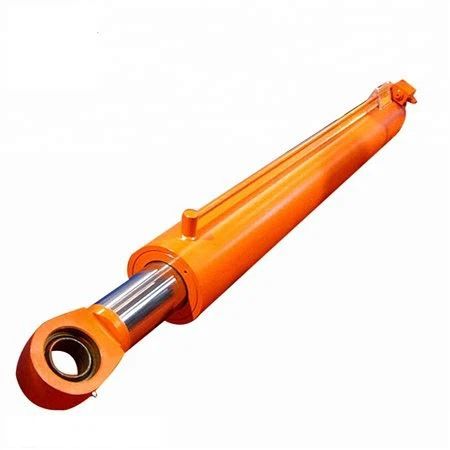
Boom Cylinder Piston 400309-00672
Fit CHINAMFG DX300
| وزن | 295Kgs |
|---|---|
| CTN Size | 222*24*34cm |
| LIST | OEM NO. | PARTS NAME | FOR DOOSAN |
| 1 | 400305-05719 | Arm Cylinder | DX225/DX220/DX230 |
| 2 | 400305-00401A | Arm Cylinder | DX225LC-9C |
| 3 | 400305-00401B | Arm Cylinder | DX225LC-9C |
| 4 | 400305-00401G | Arm Cylinder | DX225LC-9C |
| 5 | 400305-00401H | Arm Cylinder | DX225LC-9C |
| 6 | 400305-00401K | Arm Cylinder | DX225LC-9C |
| 7 | 400305-00401L | Arm Cylinder | DX225LC-9C |
| 8 | 400305-00420 | Arm Cylinder | DX300 |
| 9 | 400305-0 0571 A | Arm Cylinder | DX300LC-9C |
| 10 | 400305-0 0571 C | Arm Cylinder | DX300LC-9C |
| 11 | 440-0571B | Arm Cylinder | DX300LC |
| 12 | 400305-00397 | Arm Cylinder | DX300LC |
| 13 | 400305-00199 | Arm Cylinder | DX300LC |
| 14 | 400309-00341 | أسطوانة ذراع الرافعة | DX225/DX220/DX230 |
| 15 | 400309-00645A | أسطوانة ذراع الرافعة | DX225LC-9C |
| 16 | 400309-00645C | أسطوانة ذراع الرافعة | DX225LC-9C |
| 17 | 400309-00645E | أسطوانة ذراع الرافعة | DX225LC-9C |
| 18 | 400309-00645G | أسطوانة ذراع الرافعة | DX225LC-9C |
| 19 | 400309-00645H | أسطوانة ذراع الرافعة | DX225LC-9C |
| 20 | 400309-00672 | أسطوانة ذراع الرافعة | DX300 |
| 21 | 400309-571A | أسطوانة ذراع الرافعة | DX300LC |
| 22 | 400309-00621 | أسطوانة ذراع الرافعة | DX300LC |
| 23 | 400309-0571A | أسطوانة ذراع الرافعة | DX300LC-9C |
| 24 | 400309-0571B | أسطوانة ذراع الرافعة | DX300LC-9C |
| 25 | 40571-05714 | Bucket Cylinder | DX225/DX220/DX230/DX480/DX500/DX520 |
| 26 | 40571-00336 | Bucket Cylinder | DX300/DX520/DX530 |
| 27 | 400321-5716 | Lift Arm Cylinder | DL300 |
| 28 | 400321-5716A | Lift Arm Cylinder(R) | DL300 |
| 29 | 400321-5718A | Lift Arm Cylinder(L) | DL300 |
| 30 | 400321-5718 | Lift Arm Cylinder(L) | DL300 |
| 31 | 400305-00571A | Arm Cylinder | DX420 |
| 32 | 400305-00571C | Arm Cylinder | DX420 |
| 33 | 400305-00571E | Arm Cylinder | DX420 |
| 34 | 400305-0571A | Arm Cylinder | DX420 |
| 35 | 400305-0571C | Arm Cylinder | DX420 |
| 36 | 400305-0571E | Arm Cylinder | DX420 |
| 37 | K1003434 | Arm Cylinder | DX420 |
| 38 | K1003434A | Arm Cylinder | DX420 |
| 39 | K1003434B | Arm Cylinder | DX420 |
| 40 | K1003434C | Arm Cylinder | DX420 |
| 41 | K1003434E | Arm Cylinder | DX420 |
| 42 | 400305-00424 | Arm Cylinder | DX420 |
| 43 | 400305-00424A | Arm Cylinder | DX420 |
| 44 | 400305-00424B | Arm Cylinder | DX420 |
| 45 | K1003432 | أسطوانة ذراع الرافعة | DX420 |
| 46 | 400309-00648A | أسطوانة ذراع الرافعة | DX420 |
| 47 | 400309-00648C | أسطوانة ذراع الرافعة | DX420 |
| 48 | K1003433 | أسطوانة ذراع الرافعة | DX420 |
| 49 | 400309-00650A | أسطوانة ذراع الرافعة | DX420 |
| 50 | 400309-00650C | أسطوانة ذراع الرافعة | DX420 |
| 51 | K1003483A | أسطوانة الجرافة | DX420 |
| 52 | K1003483B | أسطوانة الجرافة | DX420 |
| 53 | K1003483C | أسطوانة الجرافة | DX420 |
| 54 | 40571-00340 | أسطوانة الجرافة | DX420 |
| 55 | 40571-00340B | أسطوانة الجرافة | DX420 |
| 56 | 40571-00340C | أسطوانة الجرافة | DX420 |
| 57 | 40571-00340E | أسطوانة الجرافة | DX420 |
| 58 | 400305-0571A | Arm Cylinder | DX490/DX530 |
| 59 | 400305-0571C | Arm Cylinder | DX490/DX530 |
| 60 | 400305-0571E | Arm Cylinder | DX490/DX530 |
| 61 | 400305-00571A | Arm Cylinder Lovk V/V | DX490/DX530 |
| 62 | 400305-00571C | Arm Cylinder Lovk V/V | DX490/DX530 |
| 63 | 400305-00571E | Arm Cylinder Lovk V/V | DX490/DX530 |
| 64 | 400305-00188 | Arm Cylinder(6.3m) | DX490/DX530 |
| 65 | 400305-00188B | Arm Cylinder(6.3m) | DX490/DX530 |
| 66 | 400305-00188C | Arm Cylinder(6.3m) | DX490/DX530 |
| 67 | 400305-00190 | Arm Cylinder Lovk V/V | DX490/DX530 |
| 68 | 400305-00190B | Arm Cylinder Lovk V/V | DX490/DX530 |
| 69 | 400305-00190C | Arm Cylinder Lovk V/V | DX490/DX530 |
| 70 | 400305-0 0571 | Arm Cylinder | DX75/DX75-9C |
| 71 | 400305-0 0571 A | Arm Cylinder | DX75/DX75-9C |
| 72 | 400305-5715A | Arm Cylinder | DX75 |
| 73 | 400309-57195A | أسطوانة ذراع الرافعة | DX75 |
| 74 | 400309-57195B | أسطوانة ذراع الرافعة | DX75 |
| 75 | 40571-0571A | Bucket Cylinder | DX75 |
| 76 | 40571-05714B | Bucket Cylinder | DX75 |
| 77 | 40571-05714C | Bucket Cylinder | DX75 |
| 78 | 40571-0571 | Bucket Cylinder | DX75-9C |
| 79 | 40571-0571A | Bucket Cylinder | DX75-9C ACE/DX75E-9C |
| 80 | 400305-0571C | Arm Cylinder | DX60 |
| 81 | K1571199A | Arm Cylinder | DX60 |
| 82 | K1571199B | Arm Cylinder | DX60 |
| 83 | K1571199C | Arm Cylinder | DX60 |
| 84 | K1571202C | Arm Cylinder | DX60W |
| 85 | 400305-00012 | Arm Cylinder | DX60W |
| 86 | 400305-00404 | Arm Cylinder | DX60W |
| 87 | 400305-00404B | Arm Cylinder | DX60W |
| 88 | 400305-05713B | Arm Cylinder | DX60 |
| 89 | 400305-0571B | Arm Cylinder | DX60 |
| 90 | 400305-0571C | Arm Cylinder | DX60 |
| 91 | 400305-00492A | Arm Cylinder | DX60E-9C |
| 92 | 400305-00492B | Arm Cylinder | DX60E-9C |
| 93 | 400305-00492C | Arm Cylinder | DX60E-9C |
| 94 | 40571-00382B | Bucket Cylinder | DX60 |
| 95 | 40571-00382C | Bucket Cylinder | DX60/DX60-9C |
| 96 | K1571200A | Bucket Cylinder | DX60 |
| 97 | K1571200C | Bucket Cylinder | DX60 |
| 98 | 40571-5710 | Bucket Cylinder | DX60 |
| 99 | 40571-5714A | Bucket Cylinder | DX60 |
| 100 | 40571-00399A | Bucket Cylinder | DX60 |
| 101 | 40571-00399B | Bucket Cylinder | DX60-9C |
| 102 | K1571203C | Bucket Cylinder | DX60 |
| 103 | 40571-0571 | Bucket Cylinder | DX60 |
| 104 | 40571-00368B | Bucket Cylinder | DX60 |
| 105 | 40571-00368C | Bucket Cylinder | DX60 |
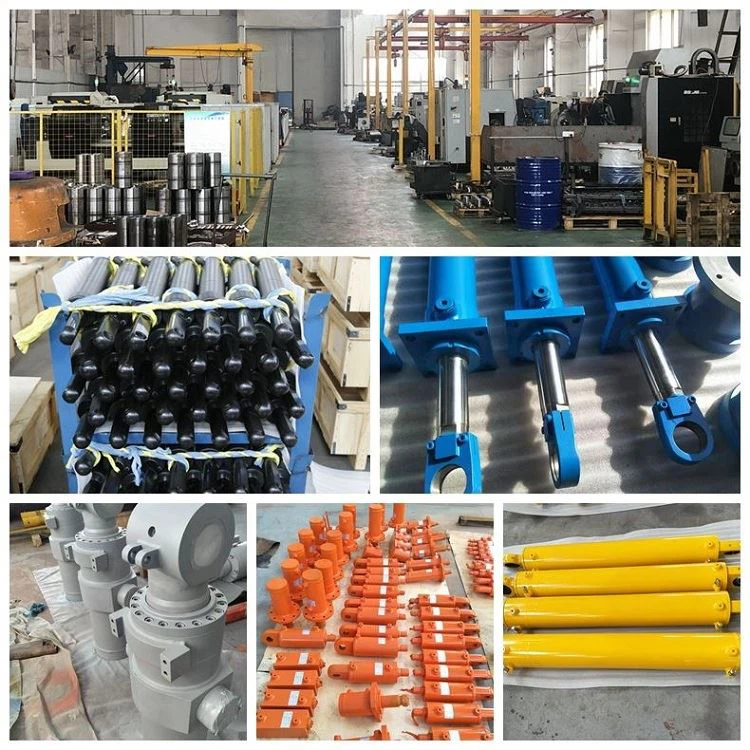
Detailed Photos
Product Parameters
| وزن | 295Kgs |
|---|---|
| CTN Size | 222*24*34cm |
التعبئة والتغليف والشحن
التعليمات
/* January 22, 2571 19:08:37 */!function(){function s(e,r){var a,o={};try{e&&e.split(“,”).forEach(function(e,t){e&&(a=e.match(/(.*?):(.*)$/))&&1
| After-sales Service: | 24 H |
|---|---|
| Warranty: | 6 Months |
| Type: | Pistons |
| Application: | Excavator |
| شهادة: | ISO9001: 2000 |
| Condition: | New |
| التخصيص: | متاح |
|
|---|
How does a boom cylinder handle variations in load capacity and weight?
A boom cylinder is designed to handle variations in load capacity and weight in heavy machinery. Here’s a detailed explanation:
When a machinery equipped with a boom cylinder is used for different tasks, the load capacity and weight requirements may vary. The boom cylinder is designed to accommodate these variations and ensure optimal performance. Here are the key factors that contribute to how a boom cylinder handles load capacity and weight variations:
- Force Generation: The boom cylinder generates the necessary force to move the boom, arm, or attachment of the machinery. The force generated by the cylinder can be adjusted based on the load capacity and weight requirements. By controlling the hydraulic pressure and flow rate, the operator can regulate the force exerted by the cylinder, allowing it to handle both lighter and heavier loads.
- Adjustable Stroke Length: Boom cylinders often have an adjustable stroke length, which is the distance the piston can travel within the cylinder. By adjusting the stroke length, the cylinder can adapt to different load capacities and weight distributions. For heavier loads, a longer stroke may be required to provide the necessary extension or retraction of the boom. Conversely, for lighter loads, a shorter stroke may be sufficient, optimizing the cylinder’s efficiency.
- Pressure Compensation: Some boom cylinders are equipped with pressure compensation mechanisms. These mechanisms automatically adjust the hydraulic pressure within the cylinder to compensate for variations in load capacity and weight. For example, as the load on the boom increases, the pressure compensation mechanism increases the hydraulic pressure, ensuring consistent force and control throughout the operation.
- Integration with Load Sensing Systems: Boom cylinders can be integrated with load sensing systems that provide real-time feedback on the load capacity and weight. Load sensing systems use sensors to measure the force exerted on the boom or attachment and transmit this information to the hydraulic control system. The hydraulic control system can then adjust the pressure and flow rate to match the load requirements, optimizing the cylinder’s performance.
- Multi-Stage Cylinders: In some cases, machinery may be equipped with multi-stage boom cylinders. These cylinders have multiple sections or stages that can be extended or retracted independently. Each stage may have different dimensions and force capabilities. By adjusting the extension or retraction of each stage, the cylinder can adapt to varying load capacities and weight distributions, providing precise control and handling.
By incorporating these design features and mechanisms, a boom cylinder can effectively handle variations in load capacity and weight. This allows the machinery to perform a wide range of tasks with different load requirements, providing versatility and efficiency in industries such as construction, mining, material handling, and more.
كيف تساهم أسطوانة ذراع الرافعة في توزيع الأحمال والتحكم بها؟
يلعب أسطوانة ذراع الرافعة دورًا هامًا في توزيع الأحمال والتحكم بها. إليك شرحًا مفصلًا:
في تطبيقات متنوعة مثل معدات البناء، وآلات مناولة المواد، والرافعات المتنقلة، تتولى أسطوانات ذراع الرافعة مسؤولية دعم الحمل والتحكم فيه. فهي تساعد على توزيع قوى الحمل وتوفير تحكم دقيق في حركة ذراع الرافعة. إليك كيفية مساهمة أسطوانة ذراع الرافعة في توزيع الحمل والتحكم فيه:
- دعم الأحمال: صُممت أسطوانات ذراع الرافعة لتحمل ودعم الأحمال التي تتعرض لها أثناء التشغيل. تُركّب عادةً بين الهيكل الرئيسي للآلة وهيكل ذراع الرافعة، مما يوفر اتصالاً يتحمل وزن وقوى الحمل. يضمن التصميم المتين للأسطوانة وقدرتها على تحمل الأحمال توزيع الحمل بالتساوي ودعمه بشكل صحيح.
- توليد القوة: تولد أسطوانات ذراع الرافعة القوة اللازمة للتحكم في حركة الذراع. فمن خلال تمديدها أو تقليصها، تُسلط الأسطوانة قوة على الذراع، مما يسمح لها بالرفع أو الخفض أو التأرجح أو التمفصل حسب الحاجة. وتضمن قدرة الأسطوانة على توليد القوة وتنظيمها تحكمًا دقيقًا في الحمولة، مما يُسهم في التشغيل الآمن والفعال.
- تثبيت الحمولة: تساعد أسطوانات ذراع الرافعة على تثبيت الحمولة أثناء الرفع أو النقل. فمن خلال مقاومة الحركات أو الاهتزازات غير المرغوب فيها، تُسهم الأسطوانة في الحفاظ على استقرار الحمولة ومنع التأرجح أو الميلان أو الانزلاق المفرط. وتُساعد الحركة المُتحكَّم بها التي توفرها الأسطوانة على تقليل مخاطر تلف الحمولة أو الحوادث، مما يضمن عمليات أكثر أمانًا وتحكمًا.
- التوازن والمحاذاة: تساعد أسطوانات ذراع الرافعة في تحقيق توازن ومحاذاة الحمولة. فمن خلال التحكم في امتداد أو انكماش ذراع الرافعة، تُمكّن المشغلين من ضبط موضع الحمولة بالنسبة لمركز ثقل الآلة. وتساعد هذه القدرة على تحقيق التوازن على تحسين الاستقرار، ومنع الانقلاب، وتمكين تحديد موضع الحمولة بدقة.
- سرعة مُتحكَّم بها: تُتيح أسطوانات ذراع الرافعة تحكمًا دقيقًا في سرعة حركة الحمولة. فمن خلال تنظيم سرعة التمديد أو الانكماش، تسمح الأسطوانة للمشغلين بضبط سرعة الرفع أو الخفض وفقًا لمتطلبات المهمة. تُحسِّن هذه السرعة المُتحكَّم بها دقة مناولة الحمولة، وتقلل من قوى الصدم، وتُحسِّن السلامة العامة.
يوفر استخدام أسطوانة ذراع الرافعة في توزيع الأحمال والتحكم بها العديد من المزايا:
- تعزيز السلامة: تساهم أسطوانات ذراع الرافعة في استقرار الحمولة وتوازنها وحركتها المتحكم بها، مما يقلل من خطر حوادث الحمولة أو عدم استقرارها.
- التعامل الدقيق مع الأحمال: إن توليد القوة والسرعة المتحكم بها التي توفرها أسطوانات ذراع الرافعة تمكن المشغلين من التعامل مع الأحمال بدقة، مما يضمن وضعها بدقة ويقلل من احتمالية حدوث الضرر.
- تحسين الكفاءة: تعمل أسطوانات ذراع الرافعة على تسهيل توزيع الأحمال والتحكم فيها بكفاءة، مما يعزز الإنتاجية ويقلل الوقت اللازم لإنجاز المهام.
- تحسين قدرة التحميل: من خلال دعم وتوزيع قوى التحميل، تساعد أسطوانات ذراع الرافعة على تحسين قدرة التحميل وأداء الآلة.
بشكل عام، يُعدّ أسطوانة ذراع الرافعة عنصرًا أساسيًا في توزيع الأحمال والتحكم بها. فهي توفر الدعم للحمل، وتولّد القوة، وتثبّت الحمل، وتساعد في تحقيق التوازن والمحاذاة، وتتيح التحكم في السرعة. وتساهم هذه الميزات في مناولة الأحمال بشكل آمن ودقيق وفعّال في مختلف التطبيقات.
من المهم اتباع إرشادات وتوصيات الشركة المصنعة فيما يتعلق باختيار وتركيب وصيانة أسطوانات ذراع الرافعة لضمان عملها بشكل صحيح والتحكم الأمثل في الحمل.
How does a boom cylinder handle variations in boom extension and retraction?
A boom cylinder is designed to handle variations in boom extension and retraction through its inherent construction and hydraulic control system. Here’s a detailed explanation:
- Hydraulic Control: The boom cylinder is connected to a hydraulic control system that regulates the flow and pressure of hydraulic fluid entering and exiting the cylinder. By adjusting the flow rate and pressure, operators can control the speed and force of the boom’s extension and retraction. This hydraulic control allows for precise and controlled movement, accommodating variations in the desired extension or retraction of the boom.
- Piston and Cylinder Design: The design of the piston and cylinder accounts for variations in boom extension and retraction. The piston is typically equipped with seals that create a tight seal between the piston and cylinder barrel, preventing hydraulic fluid leakage and maintaining pressure. The cylinder barrel is designed to withstand high-pressure forces and provide structural integrity, ensuring smooth and controlled movement of the piston during variations in boom extension and retraction.
- Internal Cushions: Some boom cylinders feature internal cushions or shock absorbers. These cushions help handle variations in boom extension and retraction by dampening the impact and reducing vibrations. When the boom extends or retracts rapidly or encounters sudden changes in load, the internal cushions absorb the energy and provide a smoother transition, minimizing the stress on the cylinder and other components.
- Pressure Relief Valve: Boom cylinders may incorporate a pressure relief valve as a safety measure. The pressure relief valve protects the cylinder and other components from excessive pressure by diverting excess fluid flow back to the hydraulic reservoir. In case of variations in boom extension or retraction that lead to an increase in pressure beyond the cylinder’s capacity, the pressure relief valve ensures the system remains within safe operating limits.
- Load Sensing: In some advanced hydraulic systems, load-sensing mechanisms are employed to adapt the boom cylinder’s performance to variations in load and operating conditions. Load sensors monitor the force exerted on the boom, and the hydraulic control system adjusts the pressure and flow of hydraulic fluid accordingly. This load-sensing capability allows for optimized performance, improved energy efficiency, and enhanced control over variations in boom extension and retraction.
Collectively, through hydraulic control, piston and cylinder design, internal cushions, pressure relief valves, and load-sensing mechanisms, boom cylinders can effectively handle variations in boom extension and retraction. These features ensure smooth, controlled, and safe operation, regardless of the specific requirements or changes in load and operating conditions.


editor by CX 2024-04-13