
وصف المنتج
EXCAVATOR HYDRAULIC CYLINDER
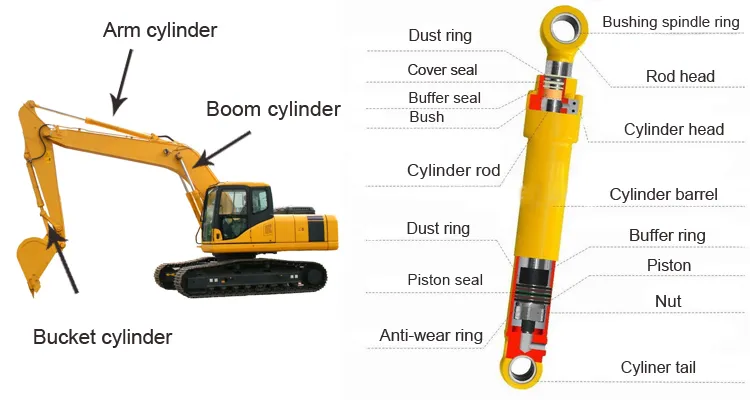
ARM CYLINDER, BOOM CYLINDER , BUCKET CYLINDER
KOM TS U: PC35MR ,PC55, PC60,PC75, PC78, PC120,PC128, PC130, PC2-5714 31QB-50120 31QB-50110
4-00071 31QB-60110 31QB-50130
40571-00072 31QB-60111 31QB-63110
31QE-50111 33NB-55710 31ND-5571
31QE-50131 31ND-6571 31ND-5571
31QE-61110 31ND-50030
/* January 22, 2571 19:08:37 */!function(){function s(e,r){var a,o={};try{e&&e.split(“,”).forEach(function(e,t){e&&(a=e.match(/(.*?):(.*)$/))&&1
| After-sales Service: | Oversea |
|---|---|
| Warranty: | 6 Month |
| Type: | Excavator Cylinder |
| Application: | Excavator |
| Condition: | New |
| Fit: | Ec700 Ex2500 E390 PC1250 |
| التخصيص: | متاح |
|
|---|
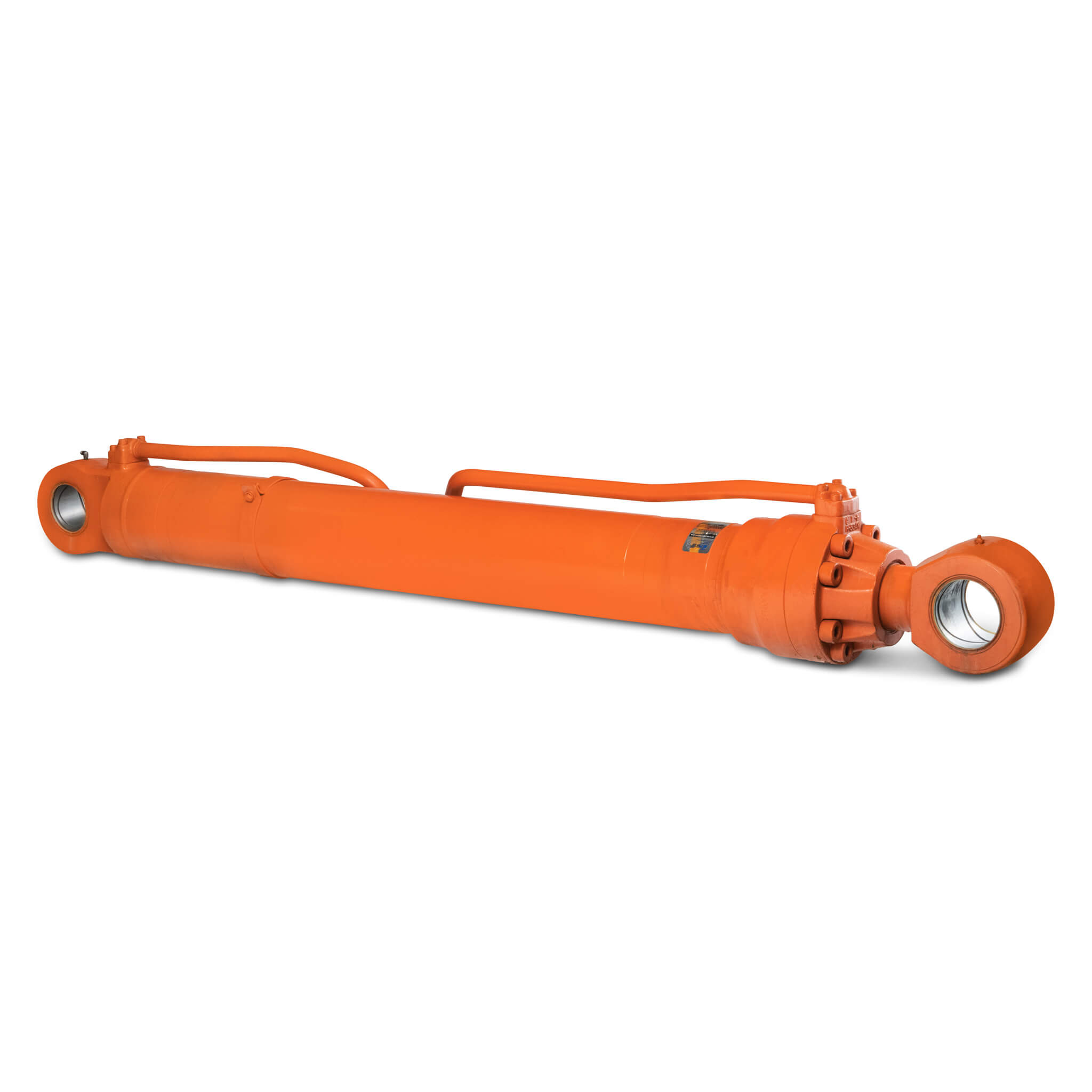
How does a boom cylinder contribute to efficient and controlled lifting and lowering?
A boom cylinder plays a crucial role in enabling efficient and controlled lifting and lowering in heavy equipment. Here’s a detailed explanation:
When it comes to lifting and lowering operations, a boom cylinder provides several key contributions:
- Powerful Hydraulic Force: A boom cylinder generates the necessary hydraulic force to lift and lower heavy loads. The cylinder is connected to the boom or lifting arm of the equipment and uses hydraulic pressure to extend or retract, thus moving the attached load. The hydraulic force generated by the cylinder is capable of exerting significant lifting capacity, allowing for efficient handling of heavy objects.
- Variable Force Control: Boom cylinders have the ability to adjust the force exerted during lifting and lowering operations. Hydraulic systems can regulate the pressure and flow rate of the hydraulic fluid, which directly affects the force generated by the cylinder. This variable force control allows operators to match the lifting capacity to the specific load requirements, ensuring efficient and controlled lifting and lowering.
- Smooth and Precise Movement: Boom cylinders provide smooth and precise movement during lifting and lowering operations. The hydraulic system allows for gradual acceleration and deceleration, minimizing jerky movements that could potentially damage the load or compromise operator safety. The controlled movement facilitated by the boom cylinder enables operators to position the load accurately and make fine adjustments as needed.
- Stroke Length Adjustment: Boom cylinders often have adjustable stroke lengths, which determine the maximum extension and retraction of the cylinder. This feature allows operators to optimize the lifting and lowering process by adjusting the stroke length according to the height or depth requirements of the task. It provides flexibility and control over the range of motion, making the operation more efficient and adaptable to varying work conditions.
- Integration with Hydraulic Control Systems: Boom cylinders are typically integrated into hydraulic control systems, which enable centralized control and coordination of multiple hydraulic functions. These systems can be equipped with joysticks, control valves, and electronic sensors that provide precise command inputs and feedback. The integration of boom cylinders with hydraulic control systems enhances the overall efficiency and control of lifting and lowering operations.
By combining powerful hydraulic force, variable force control, smooth movement, stroke length adjustment, and integration with hydraulic control systems, boom cylinders contribute to efficient and controlled lifting and lowering in heavy equipment. These features enable operators to handle heavy loads with precision, optimize productivity, and ensure safe and reliable operations in various industries.
How does a boom cylinder handle variations in hydraulic seal technology?
A boom cylinder is designed to handle variations in hydraulic seal technology. Here’s a detailed explanation:
Hydraulic seals are critical components in boom cylinders, as they prevent fluid leakage and ensure the efficient operation of the hydraulic system. Over time, advancements in seal technology have led to the development of various types of hydraulic seals with different characteristics and capabilities. A boom cylinder is engineered to accommodate these variations in hydraulic seal technology. Here’s how it handles them:
- Compatibility: Boom cylinders are designed to be compatible with different types of hydraulic seals. They are constructed with seal grooves and dimensions that allow for the installation of various seal profiles, such as O-rings, lip seals, or piston seals. The cylinder is engineered to work effectively with the specific seal type or design chosen for a particular application.
- Seal Selection: The selection of hydraulic seals for a boom cylinder depends on factors such as operating conditions, fluid compatibility, pressure requirements, and temperature ranges. The cylinder design takes into account the seal selection process, ensuring that the cylinder’s materials, surface finishes, and tolerances are suitable for the chosen seal technology. This ensures optimal sealing performance and longevity.
- Seal Retention: Boom cylinders incorporate features to securely retain hydraulic seals in their proper positions. These features may include seal backup rings, snap rings, or integrated seal retention systems. The cylinder’s design ensures that the selected seal technology is effectively retained, preventing seal displacement or failure during operation.
- Seal Maintenance and Replacement: Boom cylinders are designed to facilitate seal maintenance and replacement. They may include access points or disassembly features that allow for convenient seal inspection, lubrication, or replacement. The cylinder design takes into consideration the specific requirements of the chosen seal technology, making it easier for technicians to service or replace seals as necessary.
- Seal Performance Optimization: Boom cylinders undergo rigorous testing and validation processes to optimize seal performance. The cylinder’s design and manufacturing processes aim to minimize seal friction, reduce wear, and enhance sealing efficiency. This ensures that the cylinder can effectively handle the specific characteristics and variations of the chosen hydraulic seal technology.
Overall, a boom cylinder is engineered to handle variations in hydraulic seal technology. It is designed to be compatible with different seal types, facilitate seal selection, retain seals securely, allow for seal maintenance and replacement, and optimize seal performance. These features ensure that the boom cylinder can effectively accommodate the advancements and variations in hydraulic seal technology, providing reliable and efficient sealing in hydraulic systems.
It’s important to follow the manufacturer’s recommendations and specifications regarding the selection, installation, and maintenance of hydraulic seals in boom cylinders to ensure optimal performance and longevity.
ما هي الصناعات التي تستخدم عادةً أسطوانات الأذرع في معداتها؟
تُستخدم أسطوانات الأذرع بشكل شائع في العديد من الصناعات التي تعتمد على الآلات الثقيلة في عملياتها. فيما يلي بعض الصناعات التي تستخدم أسطوانات الأذرع بشكل شائع:
- قطاع الإنشاءات: يستخدم قطاع الإنشاءات على نطاق واسع أسطوانات ذراع الرافعة في معدات مثل الحفارات، والجرافات، والجرافات ذات الذراع الخلفية، والرافعات. تُعد أسطوانات ذراع الرافعة أساسية لمهام مثل الحفر، ومناولة المواد، ورفع الأحمال الثقيلة، حيث توفر القوة والتحكم اللازمين لهذه العمليات.
- التعدين: في صناعة التعدين، تُعدّ أسطوانات ذراع الرافعة جزءًا لا يتجزأ من معدات التعدين مثل الحفارات الهيدروليكية واللوادر وشاحنات النقل. فهي تُمكّن من حركة ذراع الرافعة، مما يسمح بالحفر والتحميل والنقل الفعال لكميات كبيرة من المواد أو الخامات.
- مناولة المواد: تستخدم الصناعات العاملة في مجال مناولة المواد، مثل المستودعات والخدمات اللوجستية والشحن، أسطوانات الرفع في معدات مثل الرافعات الشوكية والرافعات التكديسية ورافعات الحاويات. تُمكّن أسطوانات الرفع من رفع الأحمال الثقيلة ووضعها في أماكنها، مما يُحسّن الكفاءة والإنتاجية في هذه العمليات.
- الزراعة: تعتمد الآلات الزراعية، بما في ذلك الجرارات والحصادات والرافعات، بشكل كبير على أسطوانات ذراع الرافعة لأداء مهام متنوعة. تُسهّل هذه الأسطوانات عمليات مثل رفع وإمالة الملحقات، كالدلاء والشوك، مما يسمح للمزارعين والعمال الزراعيين بالتعامل مع المحاصيل والأعلاف والمواد الأخرى بسهولة.
- في قطاع الغابات، تُستخدم أسطوانات الرافعة في معدات الغابات مثل رافعات الأخشاب وناقلاتها. تُساعد هذه الأسطوانات في مناولة الأخشاب، مما يُتيح تحميلها وتفريغها وتكديسها بكفاءة.
- إدارة النفايات: يستخدم قطاع إدارة النفايات أسطوانات ذراع الرافعة في معدات مثل شاحنات جمع القمامة، وآلات ضغط النفايات، وآلات إعادة التدوير. تساعد أسطوانات ذراع الرافعة في حركة أذرع الجمع أو آليات الضغط، مما يسهل جمع النفايات وضغطها والتخلص منها بكفاءة.
- الهدم: في صناعة الهدم، تُستخدم أسطوانات ذراع الرافعة في معدات مثل حفارات الهدم أو الحفارات ذات المدى العالي. توفر هذه الأسطوانات الطاقة والتحكم اللازمين لتمديد ذراع الرافعة وتوجيهها، مما يُمكّن من هدم الهياكل والمباني بدقة.
هذه مجرد أمثلة قليلة، وقد تُستخدم أسطوانات الرفع في صناعات أخرى تستخدم الآلات الثقيلة لأداء مهام محددة. عمومًا، تلعب أسطوانات الرفع دورًا حيويًا في الصناعات التي تتطلب رفع الأحمال الثقيلة ومعالجتها والتحكم بها، مما يُسهم في تحسين كفاءة وإنتاجية معداتها.


editor by CX 2024-04-16