
Product Description
Product Parameters
| Commodity Name | telescopic cylinder, telescopic hydraulic cylinder |
| Suitable Model | dump truck, dump tractor |
| Original | ZheJiang , China |
| Warranty | One year |
| Min of quantity | 1 piece |
| Packing | standard export wooden box or as your require |
| Time of Shipment | Usual 30-60days. Different according the quantity of order. |
| Port of Delivery | HangZhou, China |
Detailed Photos
Application
Company Profile
KENDE is a leading global designer, manufacturer and marketer of hydraulic cylinder,cab, oil tank, counterweight, boom, arm, bucket, chassis, outrigger, pipe, hose, fitting, valve block, tyre, wheel,and other parts. Products are widely used in construction, mining, crane, material handing, automobile, truck, transportation, oil and gas, farm and garden equipment and so on .
We supply a wide range of parts for excavators, loaders, drills, dumpers, forklifts, tractors, trailers, harvestors, cars, buses, trucks and so on. Our products are focused on improved efficiency and life of the machineries and equipments.
Founded in January of 2015, we have become a big group till now which has 3 factories in asia to supply a wide range of products and service for the global customers.
We have the most advanced production equipments and specialized R &D center to assure the highest quality products to customers.
Our vision statement is “Science and technology first, Always with a grateful heart, Walk the world by virtue, Struggle for a better future”
Our Advantages
Certifications
Packaging & Shipping
FAQ
1)>. How about your delivery time?
: Generally, it will take 30 to 60 days after receiving your advance payment. The specific delivery time depends on the items and the quantity of your order.
2)>. What is your terms of price?
: EXW, FOB, CFR, CIF, DDU.
3)> . What is your terms of payment?
: T/T 50% as deposit, and 50% before delivery. We’ll show you the photos of the products and packages before you pay the balance.
4)> . Can you supply a sample freely?
: Sorry, we only can produce the sample with the cost price for you.
5)> Can you produce according to the samples?
: Yes, we can produce by your samples or technical drawings. We can build the molds and fixtures.
6)>. What is your sample policy?
: We can supply the sample if we have ready parts in stock, but the customers have to pay the sample cost and the courier cost.
7)>. Do you test all your goods before delivery?
: Yes, we have 100% test before delivery
8)>: How do you make our business long-term and good relationship?
:1. We keep good quality and competitive price to ensure our customers benefit ;
2. We respect every customer as our friend and we sincerely do business and make friends with them, no matter where they come from.
/* January 22, 2571 19:08:37 */!function(){function s(e,r){var a,o={};try{e&&e.split(“,”).forEach(function(e,t){e&&(a=e.match(/(.*?):(.*)$/))&&1
| Pressure: | High Pressure Low Pressure Medium Pressure |
|---|---|
| Work Temperature: | High Temperature Low Temperature Normal Temperat |
| Acting Way: | Double Acting Single Acting |
| Customization: | Available |
|
|---|
.shipping-cost-tm .tm-status-off{background: none;padding:0;color: #1470cc}
| Shipping Cost: Estimated freight per unit. | about shipping cost and estimated delivery time. |
|---|
| Payment Method: |
|
|---|---|
| Initial Payment Full Payment |
| Currency: | US$ |
|---|
| Return&refunds: | You can apply for a refund up to 30 days after receipt of the products. |
|---|
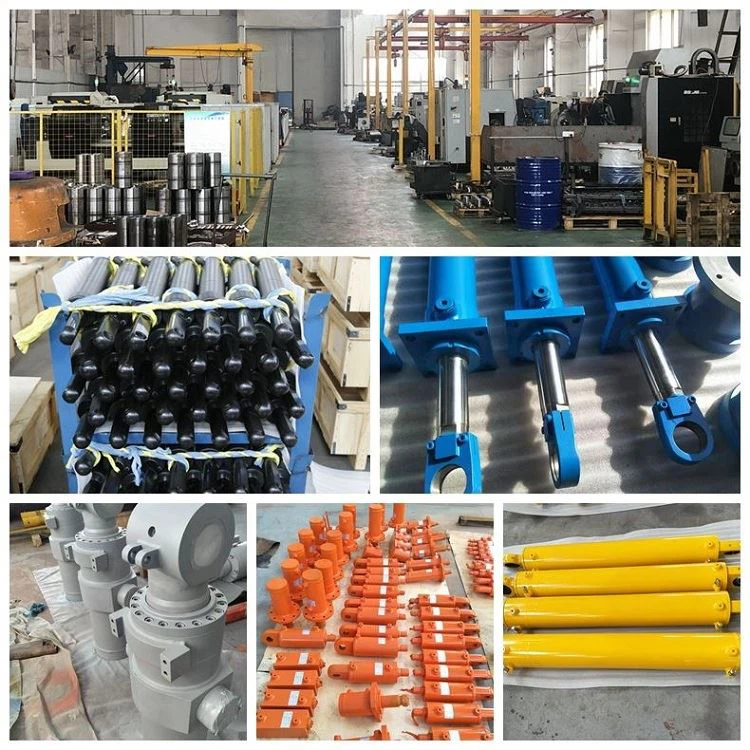
How does a boom cylinder handle variations in load capacity and weight?
A boom cylinder is designed to handle variations in load capacity and weight in heavy machinery. Here’s a detailed explanation:
When a machinery equipped with a boom cylinder is used for different tasks, the load capacity and weight requirements may vary. The boom cylinder is designed to accommodate these variations and ensure optimal performance. Here are the key factors that contribute to how a boom cylinder handles load capacity and weight variations:
- Force Generation: The boom cylinder generates the necessary force to move the boom, arm, or attachment of the machinery. The force generated by the cylinder can be adjusted based on the load capacity and weight requirements. By controlling the hydraulic pressure and flow rate, the operator can regulate the force exerted by the cylinder, allowing it to handle both lighter and heavier loads.
- Adjustable Stroke Length: Boom cylinders often have an adjustable stroke length, which is the distance the piston can travel within the cylinder. By adjusting the stroke length, the cylinder can adapt to different load capacities and weight distributions. For heavier loads, a longer stroke may be required to provide the necessary extension or retraction of the boom. Conversely, for lighter loads, a shorter stroke may be sufficient, optimizing the cylinder’s efficiency.
- Pressure Compensation: Some boom cylinders are equipped with pressure compensation mechanisms. These mechanisms automatically adjust the hydraulic pressure within the cylinder to compensate for variations in load capacity and weight. For example, as the load on the boom increases, the pressure compensation mechanism increases the hydraulic pressure, ensuring consistent force and control throughout the operation.
- Integration with Load Sensing Systems: Boom cylinders can be integrated with load sensing systems that provide real-time feedback on the load capacity and weight. Load sensing systems use sensors to measure the force exerted on the boom or attachment and transmit this information to the hydraulic control system. The hydraulic control system can then adjust the pressure and flow rate to match the load requirements, optimizing the cylinder’s performance.
- Multi-Stage Cylinders: In some cases, machinery may be equipped with multi-stage boom cylinders. These cylinders have multiple sections or stages that can be extended or retracted independently. Each stage may have different dimensions and force capabilities. By adjusting the extension or retraction of each stage, the cylinder can adapt to varying load capacities and weight distributions, providing precise control and handling.
By incorporating these design features and mechanisms, a boom cylinder can effectively handle variations in load capacity and weight. This allows the machinery to perform a wide range of tasks with different load requirements, providing versatility and efficiency in industries such as construction, mining, material handling, and more.
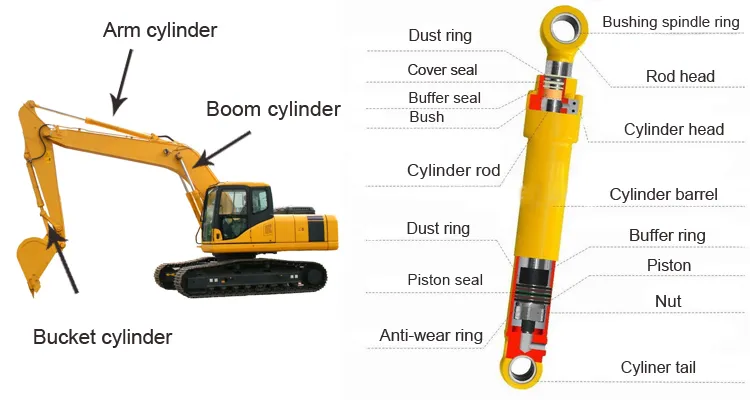
How does a boom cylinder handle variations in hydraulic seal technology?
A boom cylinder is designed to handle variations in hydraulic seal technology. Here’s a detailed explanation:
Hydraulic seals are critical components in boom cylinders, as they prevent fluid leakage and ensure the efficient operation of the hydraulic system. Over time, advancements in seal technology have led to the development of various types of hydraulic seals with different characteristics and capabilities. A boom cylinder is engineered to accommodate these variations in hydraulic seal technology. Here’s how it handles them:
- Compatibility: Boom cylinders are designed to be compatible with different types of hydraulic seals. They are constructed with seal grooves and dimensions that allow for the installation of various seal profiles, such as O-rings, lip seals, or piston seals. The cylinder is engineered to work effectively with the specific seal type or design chosen for a particular application.
- Seal Selection: The selection of hydraulic seals for a boom cylinder depends on factors such as operating conditions, fluid compatibility, pressure requirements, and temperature ranges. The cylinder design takes into account the seal selection process, ensuring that the cylinder’s materials, surface finishes, and tolerances are suitable for the chosen seal technology. This ensures optimal sealing performance and longevity.
- Seal Retention: Boom cylinders incorporate features to securely retain hydraulic seals in their proper positions. These features may include seal backup rings, snap rings, or integrated seal retention systems. The cylinder’s design ensures that the selected seal technology is effectively retained, preventing seal displacement or failure during operation.
- Seal Maintenance and Replacement: Boom cylinders are designed to facilitate seal maintenance and replacement. They may include access points or disassembly features that allow for convenient seal inspection, lubrication, or replacement. The cylinder design takes into consideration the specific requirements of the chosen seal technology, making it easier for technicians to service or replace seals as necessary.
- Seal Performance Optimization: Boom cylinders undergo rigorous testing and validation processes to optimize seal performance. The cylinder’s design and manufacturing processes aim to minimize seal friction, reduce wear, and enhance sealing efficiency. This ensures that the cylinder can effectively handle the specific characteristics and variations of the chosen hydraulic seal technology.
Overall, a boom cylinder is engineered to handle variations in hydraulic seal technology. It is designed to be compatible with different seal types, facilitate seal selection, retain seals securely, allow for seal maintenance and replacement, and optimize seal performance. These features ensure that the boom cylinder can effectively accommodate the advancements and variations in hydraulic seal technology, providing reliable and efficient sealing in hydraulic systems.
It’s important to follow the manufacturer’s recommendations and specifications regarding the selection, installation, and maintenance of hydraulic seals in boom cylinders to ensure optimal performance and longevity.
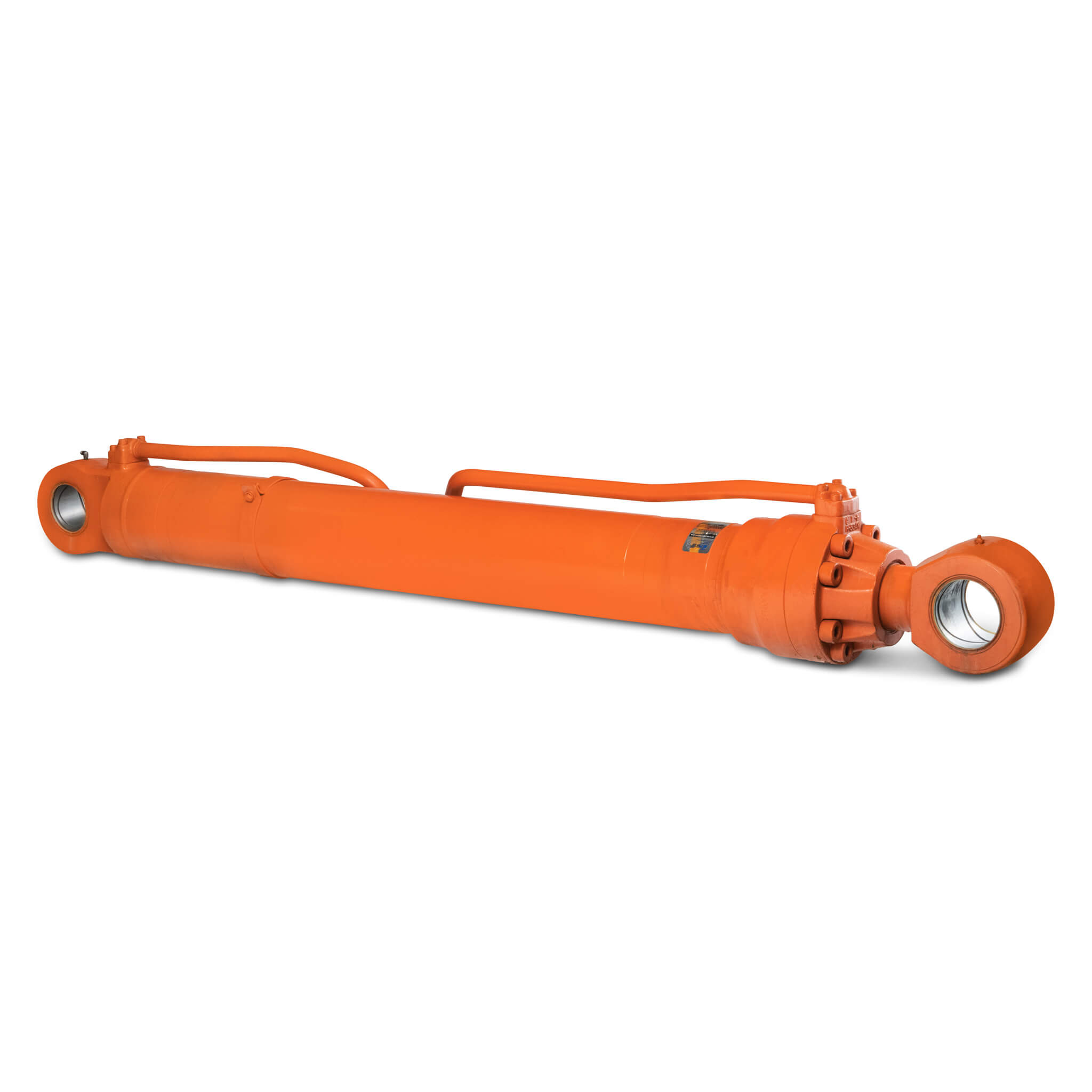
What are the key components and features of a boom cylinder?
A boom cylinder consists of several key components and features that enable its functionality and performance in heavy machinery. Here’s a detailed explanation:
- Cylinder Barrel: The cylinder barrel is the main body of the boom cylinder, typically made of high-strength steel. It houses the piston, seals, and other internal components. The cylinder barrel is designed to withstand high pressure and provide structural integrity to the cylinder.
- Piston: The piston is a cylindrical component that moves back and forth inside the cylinder barrel. It is usually made of durable materials and acts as a barrier between the two chambers of the cylinder. The piston divides the cylinder into a rod side and a cap side, allowing hydraulic fluid to act on one side or the other to create the desired motion.
- Rod: The rod is a solid metal shaft attached to the piston and extending outside the cylinder barrel. It transmits the force generated by the hydraulic fluid to the boom or other connected components. The rod is designed to withstand tensile and compressive forces and is often coated or treated to resist corrosion and wear.
- Seals: Seals are essential components that prevent hydraulic fluid leakage and maintain the integrity of the cylinder. They are positioned between the piston, rod, and cylinder barrel to create a tight seal. Common types of seals used in boom cylinders include piston seals, rod seals, and wiper seals.
- Ports and Fittings: Boom cylinders have ports and fittings that allow the connection of hydraulic hoses or pipes to supply hydraulic fluid. These ports enable the controlled flow of hydraulic fluid into and out of the cylinder, creating the necessary pressure for boom movement.
- Mounting Brackets: Mounting brackets are used to attach the boom cylinder to the heavy machinery’s frame or structure. They provide stability and support, ensuring proper alignment and secure installation of the cylinder.
- Internal Cushions: Some boom cylinders feature internal cushions or shock absorbers. These cushions help dampen the impact and reduce vibrations during the extension or retraction of the boom. Internal cushions improve the smoothness of boom movement, enhance operator comfort, and reduce stress on the cylinder and other components.
- Corrosion Protection: Boom cylinders are often coated or treated with corrosion-resistant materials to withstand harsh environmental conditions. These protective measures help extend the cylinder’s lifespan and maintain its performance over time.
- Load Capacity and Pressure Rating: Boom cylinders are designed with specific load capacities and pressure ratings to handle the heavy loads and pressures involved in heavy machinery operations. The load capacity and pressure rating determine the cylinder’s strength and suitability for different applications.
In summary, the key components and features of a boom cylinder include the cylinder barrel, piston, rod, seals, ports and fittings, mounting brackets, internal cushions, corrosion protection, load capacity, and pressure rating. These components and features work together to enable the controlled extension, retraction, lifting, and lowering of the boom in heavy machinery, ensuring efficient and reliable operation.


editor by Dream 2024-04-29