
Өнім сипаттамасы
Fitness Hydraulic Cylinder Antirust Hydraulic Cylinder with Stainless Rod
Standard Hydraulic Cylinder
Custom Hydraulic Cylinder
We can supply customized hydraulic cylinders with drawings or samples, or if you could provide following specification:
•diameter of bore & rod
•stroke
•mounting style
•mounting distance
•working pressure
•ports
•seals
•special modifications.
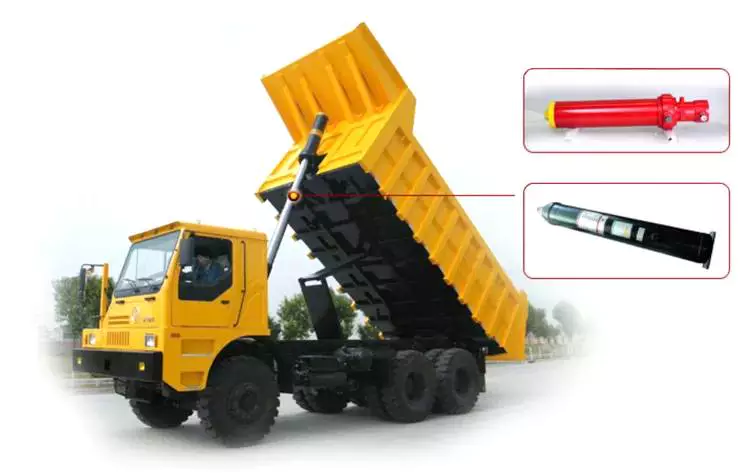
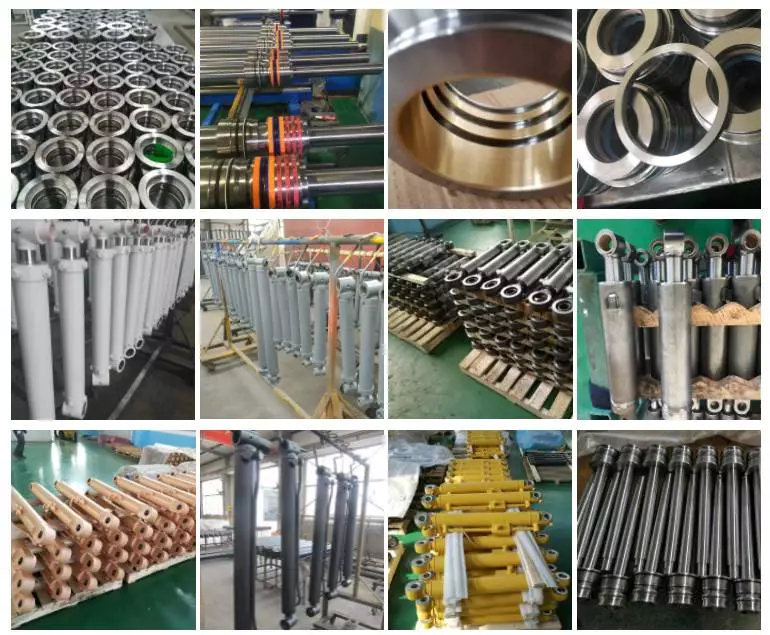
Fitness Hydraulic Cylinder Collection:
Company Information:
HangZhou GD Machinery Co., Ltd. was established in 2009. We specializes in supplying all kinds of high quality hydraulic cylinders, hydraulic power units, hydraulic fittings and hydraulic cylinder components. The factory covers an area of 30,000 square CHINAMFG and build 7 workshops. There are 198 employees, of which 30% are technicians and quality controller. The advanced R&D team, production line and management system guarantee the production capacity and reliable quality . The production capacity is 25,000 pieces standard hydraulic cylinders and customized hydraulic cylinder and 5,000 pieces hydraulic power units per month. Besides, the technology team gives the client many solutions on hydraulic system. In order to keep the quality strictly, we use the andvanced machines including Machining equipment and laboratory testing equipment and welding equipments that imported from the United States, Japan, ZheJiang and other countries. At present, the annual output value reaches tens of millions dollors. Under the guidance of technological innovation and quality-oriented enterprise policy, we become the leading hydraulic equipment supplier in China.
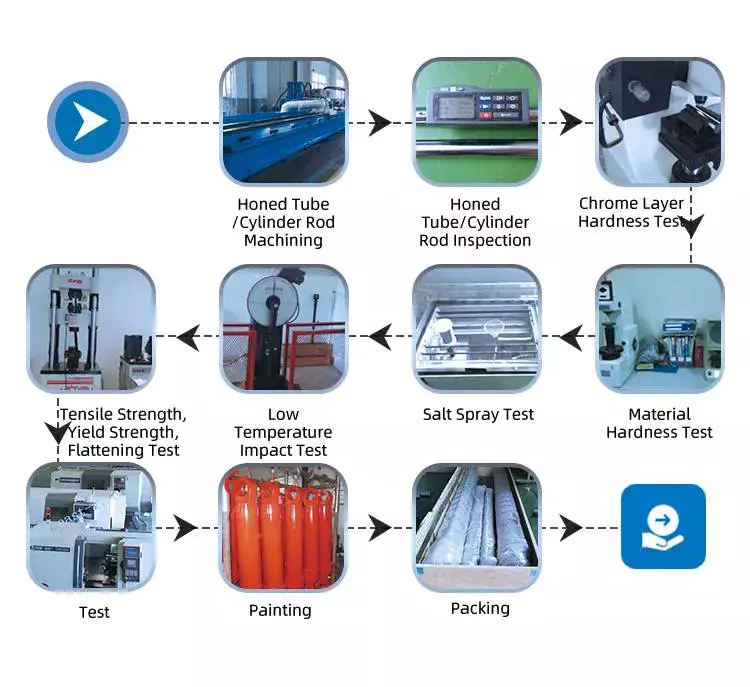
Cylinder Production Process:
Package
Inner box & Plywood case
Қызмет көрсету
1, Sample service: samples will be provided according to customer’s instruction.
2, Customized services: a variety of cylinders can be customized according to customer demand.
3, Warranty service: In case of quality problems under 1 year warranty period, free replacement will be made for customer.
FAQ
Q: Do you accept OEM manufacturing?
A: Yes! We do accept OEM manufacturing. We will quote you the exact price and make the exact cylinder according to your specification and drawing.
Q: Can we design our own package or print our own logo?
A: Yes! Package and logo will be made acording to your requirements.
Q: Could we get small quantity samples?
A: Yes! We understand the quality test is important and we are glad to make the sample for you. The MOQ is 1pcs.
Q: How long is the production time?
A: Generally the production time is 30 days.
| Сертификаттау: | ISO9001 |
|---|---|
| Қысым: | Орташа қысым |
| Жұмыс температурасы: | Қалыпты температура |
| Үлгілер: | US$ 120/Piece 1 дана (ең аз тапсырыс) | Order Sample |
|---|
| Теңшеу: | Қолжетімді |
|
|---|
.shipping-cost-tm .tm-status-off{background: none;padding:0;color: #1470cc}
| Shipping Cost: Estimated freight per unit. | about shipping cost and estimated delivery time. |
|---|
| Payment Method: |
|
|---|---|
| Initial Payment Full Payment |
| Currency: | US$ |
|---|
| Return&refunds: | You can apply for a refund up to 30 days after receipt of the products. |
|---|
Гидравликалық цилиндрлер температураның өзгеруіне және қатал жұмыс ортасына қалай төтеп береді?
Гидравликалық цилиндрлер температураның ауытқулары мен қатал жұмыс орталарының ауытқуларын өңдеуге арналған, бұл олардың беріктігі, сенімділігі және өнімділігін қамтамасыз ететін арнайы мүмкіндіктер мен материалдарды қамтиды. Гидравликалық цилиндрлердің экстремалды температураға, коррозиялық ортаға және басқа да қатал жағдайларға төтеп беру қабілеті олардың кең ауқымды қолданбаларда сәтті жұмыс істеуі үшін өте маңызды. Гидравликалық цилиндрлердің температураның ауытқулары мен қатал жұмыс орталарын қалай өңдейтіні туралы егжей-тегжейлі түсініктеме берілген:
1. Температура диапазоны:
– Гидравликалық цилиндрлер белгілі бір температура диапазонында жұмыс істеуге арналған. Оларды жасауда қолданылатын материалдар, мысалы, цилиндр бөшкелері, поршеньдер, тығыздағыштар және майлағыштар, күтілетін температура ауытқуларына төтеп беру үшін таңдалады. Нитрил, Витон немесе полиуретан сияқты материалдардан жасалған мамандандырылған тығыздағыштар мен сақиналар кең температура диапазонында тығыздау қасиеттерін сақтау үшін қолданылады. Белгілі бір компоненттерді жоғары температурадан қорғау үшін оларға ыстыққа төзімді жабындар немесе жылу оқшаулағыштары қолданылуы мүмкін.
2. Жылулық кеңею:
– Гидравликалық цилиндрлер температураның өзгеруімен болатын жылулық кеңею мен жиырылуды ескеру үшін жасалған. Олардың конструкциясында қолданылатын материалдардың жылулық кеңею коэффициенттері әртүрлі, бұл цилиндр компоненттерінің бірдей жылдамдықпен кеңеюіне немесе жиырылуына мүмкіндік береді. Бұл конструкциялық ескеру жылулық кеңею немесе жиырылу нәтижесінде пайда болуы мүмкін шамадан тыс кернеудің, байланыстың немесе ағып кетудің алдын алады.
3. Жылудың таралуы:
– Гидравликалық цилиндрлер жоғары температураға ұшырайтын қолданбаларда қызып кетудің алдын алу үшін жылуды тарату механизмдері қолданылады. Жылу беру бетінің ауданын арттыру үшін цилиндр конструкциясына салқындатқыш қанатшалар немесе жылу қабылдағыштар енгізілуі мүмкін. Кейбір жағдайларда оңтайлы жұмыс температурасын ұстап тұру үшін ауа немесе сұйық салқындату жүйелері сияқты сыртқы салқындату әдістерін қолдануға болады.
4. Коррозияға төзімділік:
– Қатал жұмыс орталарында қолданылатын гидравликалық цилиндрлер коррозияға төзімділігі жоғары материалдардан жасалған. Тот баспайтын болат, хромдалған болат немесе басқа коррозияға төзімді қорытпалар коррозиялық заттарға немесе ортаға ұшырайтын цилиндр компоненттері үшін жиі қолданылады. Сонымен қатар, жабындар, қаптамалар немесе арнайы бояулар сияқты беттік өңдеулер коррозиядан қосымша қорғаныс қабатын қамтамасыз ете алады.
5. Тығыздау жүйелері:
– Гидравликалық цилиндрлер қатал жұмыс орталарына төтеп беру үшін арнайы жасалған тығыздау жүйелерін пайдаланады. Гидравликалық цилиндрлерде қолданылатын тығыздағыштар температураның шектен шығуына, химиялық заттарға, абразияға және басқа да қоршаған орта факторларына төзімділігіне қарай таңдалады. Тиімді тығыздауды сақтау және гидравликалық сұйықтықтың ластануын болдырмау үшін арнайы тығыздағыш конструкциялары, мысалы, сүрткіш тығыздағыштар, шыбық тығыздағыштар немесе жоғары температуралы тығыздағыштар қолданылады.
6. Майлау:
– Гидравликалық цилиндрлердің, әсіресе қатал жұмыс орталарында, үздіксіз жұмыс істеуі және ұзақ қызмет етуі үшін тиісті майлау өте маңызды. Майлағыштар жоғары температураға төтеп беру, тотығуға төзімділік және экстремалды жағдайларда тиімді майлауды қамтамасыз ету қабілетіне негізделіп таңдалады. Үнемі техникалық қызмет көрсету және майлау тәжірибелері цилиндр компоненттерінің үздіксіз жұмыс істеуін қамтамасыз етеді және тозу мен үйкеліс әсерін азайтады.
7. Берік құрылыс:
– Қатал жұмыс орталарына арналған гидравликалық цилиндрлер осындай жағдайлардың қиындықтарына төтеп беру үшін берік құрылыс әдістерімен жасалған. Цилиндр цилиндрлерінің бөшкелері, шыбықтары және басқа да компоненттері қатаң сапа мен беріктік стандарттарына сәйкес келетіндей етіп жасалған. Цилиндрлердің құрылымдық тұтастығын қамтамасыз ету үшін дәнекерленген немесе болтпен бекітілген құрылыс әдістері қолданылады. Цилиндрдің беріктігін және сыртқы күштерге төзімділігін арттыру үшін фланецтер немесе бекіткіш шыбықтар сияқты арматураларды қосуға болады.
8. Қоршаған ортаны қорғау:
– Гидравликалық цилиндрлер оларды қатал жұмыс орталарынан қорғау үшін қосымша қорғаныс құралдарымен жабдықталуы мүмкін. Ластанулардың, қоқыстардың немесе ылғалдың цилиндрге енуіне және оның жұмысына кедергі келтіруіне жол бермеу үшін қорғаныс қақпақтарын, етіктерді немесе сильфондарды пайдалануға болады. Бұл қорғаныс шаралары гидравликалық цилиндрлердің қызмет ету мерзімін қиын жағдайларда ұзартуға көмектеседі.
9. Стандарттарға сәйкестік:
– Белгілі бір салалар немесе қолданбалар үшін жасалған гидравликалық цилиндрлер көбінесе жұмыс температурасы диапазондарына, қоршаған орта жағдайларына немесе қауіпсіздік талаптарына қатысты салалық стандарттарға немесе ережелерге сәйкес келеді. Осы стандарттарға сәйкестік гидравликалық цилиндрлердің олардың мақсатты жұмыс орталарының нақты талаптарына сай келетіндей етіп жобаланғанын және тексерілгенін қамтамасыз етеді.
Қорытындылай келе, гидравликалық цилиндрлер температураның өзгеруіне және қатал жұмыс орталарына төтеп беруге арналған, бұл үшін қолайлы материалдарды, термиялық кеңеюді, жылуды тарату механизмдерін, коррозияға төзімді компоненттерді, мамандандырылған тығыздау жүйелерін, дұрыс майлауды, берік құрылыс әдістерін, қорғаныс мүмкіндіктерін және салалық стандарттарға сәйкестікті ескеру қажет. Бұл дизайн ерекшеліктері мен мүмкіндіктері гидравликалық цилиндрлердің кең ауқымды талап етілетін қолданбалар мен қоршаған орта жағдайларында сенімді және тиімді жұмыс істеуіне мүмкіндік береді.
Advancements in Hydraulic Cylinder Technology Improving Corrosion Resistance
Advancements in hydraulic cylinder technology have led to significant improvements in corrosion resistance. Corrosion is a major concern in hydraulic systems, especially in environments where cylinders are exposed to moisture, chemicals, or corrosive agents. These advancements aim to enhance the durability and longevity of hydraulic cylinders. Let’s explore some of the key advancements in hydraulic cylinder technology that have improved corrosion resistance:
- Corrosion-Resistant Materials: The use of corrosion-resistant materials is a fundamental advancement in hydraulic cylinder technology. Stainless steel, for example, offers excellent resistance to corrosion, making it a popular choice in marine, offshore, and other corrosive environments. Additionally, advancements in metallurgy have led to the development of specialized alloys and coatings that provide enhanced corrosion resistance, extending the lifespan of hydraulic cylinders.
- Surface Treatments and Coatings: Various surface treatments and coatings have been developed to protect hydraulic cylinders from corrosion. These treatments can include electroplating, galvanizing, powder coating, and specialized corrosion-resistant coatings. These coatings create a barrier between the cylinder surface and corrosive elements, preventing direct contact and inhibiting the onset of corrosion. The selection of appropriate coatings depends on the specific application and environmental conditions.
- Sealing Technology: Effective sealing systems are crucial in preventing water, moisture, and contaminants from entering the cylinder and causing corrosion. Advancements in sealing technology have led to the development of high-quality seals and advanced sealing designs that offer superior resistance to corrosion. These seals are typically made from materials specifically engineered to withstand corrosive environments, ensuring long-term sealing performance and minimizing the risk of corrosion-related issues.
- Improved Surface Finishes: The surface finish of hydraulic cylinders plays a role in their resistance to corrosion. Advancements in machining and polishing techniques have allowed for smoother and more uniform surface finishes. Smoother surfaces reduce the likelihood of corrosion initiation and make it easier to clean and maintain hydraulic cylinders. Additionally, specialized finishes, such as passivation or chemical treatments, can be applied to further enhance corrosion resistance.
- Environmental Protection Features: Hydraulic cylinders can be equipped with additional features to protect against corrosion. These features may include protective boots, bellows, or shields that guard vulnerable areas from exposure to corrosive agents. By incorporating these protective elements into the design, hydraulic cylinders can withstand harsh environments and minimize the risk of corrosion-related damage.
In summary, advancements in hydraulic cylinder technology have significantly improved corrosion resistance. The use of corrosion-resistant materials, advanced surface treatments and coatings, innovative sealing technology, improved surface finishes, and the incorporation of environmental protection features have all contributed to enhanced durability and longevity of hydraulic cylinders in corrosive environments. These advancements ensure reliable performance and reduce the maintenance and replacement costs associated with corrosion-related issues.
What are the common signs of wear or leakage that indicate hydraulic cylinder issues?
Hydraulic cylinders are critical components in hydraulic systems, and wear or leakage can lead to performance issues and potential system failures. It is important to be aware of the common signs that indicate hydraulic cylinder problems. Here’s a detailed explanation of the common signs of wear or leakage that indicate hydraulic cylinder issues:
1. Fluid Leakage:
– Fluid leakage is one of the most obvious signs of hydraulic cylinder problems. If you notice hydraulic fluid leaking from the cylinder, it indicates a seal failure or damage to the cylinder. Leaking fluid may be visible around the rod, piston, or cylinder body. It is important to address fluid leakage promptly as it can lead to a loss of system efficiency, contamination of the surrounding environment, and potential damage to other system components.
2. Reduced Performance:
– Wear or internal damage to the hydraulic cylinder can result in reduced performance. You may notice a decrease in the cylinder’s force output, slower operation, or difficulty in extending or retracting the cylinder. Reduced performance can be indicative of worn seals, damaged piston or rod, internal leakage, or contamination within the cylinder. Any noticeable decrease in the cylinder’s performance should be inspected and addressed to prevent further damage or system inefficiencies.
3. Abnormal Noise or Vibrations:
– Unusual noise or vibrations during the operation of a hydraulic cylinder can indicate internal wear or damage. Excessive noise, knocking sounds, or vibrations that are not typical for the system may suggest problems such as worn bearings, misalignment, or loose internal components. These signs should be investigated to identify the source of the issue and take appropriate corrective measures.
4. Excessive Heat:
– Overheating of the hydraulic cylinder is another sign of potential issues. If the cylinder feels excessively hot to the touch during normal operation, it may indicate problems such as internal leakage, fluid contamination, or inadequate lubrication. Excessive heat can lead to accelerated wear, reduced efficiency, and overall system malfunctions. Monitoring the temperature of the hydraulic cylinder is important to detect and address potential problems.
5. External Damage:
– Physical damage to the hydraulic cylinder, such as dents, scratches, or bent rods, can contribute to wear and leakage issues. External damage can compromise the integrity of the cylinder, leading to fluid leakage, misalignment, or inefficient operation. Regular inspection of the cylinder’s external condition is essential to identify any visible signs of damage and take appropriate actions.
6. Seal Failure:
– Hydraulic cylinder seals are critical components that prevent fluid leakage and maintain system integrity. Signs of seal failure include fluid leakage, reduced performance, and increased friction during cylinder operation. Damaged or worn seals should be replaced promptly to prevent further deterioration of the cylinder’s performance and potential damage to other system components.
7. Contamination:
– Contamination within the hydraulic cylinder can cause wear, damage to seals, and overall system inefficiencies. Signs of contamination include the presence of foreign particles, debris, or sludge in the hydraulic fluid or visible damage to seals and other internal components. Regular fluid analysis and maintenance practices should be implemented to prevent contamination and address any signs of contamination promptly.
8. Irregular Seal Wear:
– Hydraulic cylinder seals can wear over time due to friction, pressure, and operating conditions. Irregular seal wear patterns, such as uneven wear or excessive wear in specific areas, may indicate misalignment or improper installation. Monitoring the condition of the seals during regular maintenance can help identify potential issues and prevent premature seal failure.
It is important to address these common signs of wear or leakage promptly to prevent further damage, ensure the optimal performance of hydraulic cylinders, and maintain the overall efficiency and reliability of the hydraulic system. Regular inspection, maintenance, and timely repairs or replacements of damaged components are key to mitigating hydraulic cylinder issues and maximizing system longevity.

editor by CX 2023-10-27