
Өнім сипаттамасы
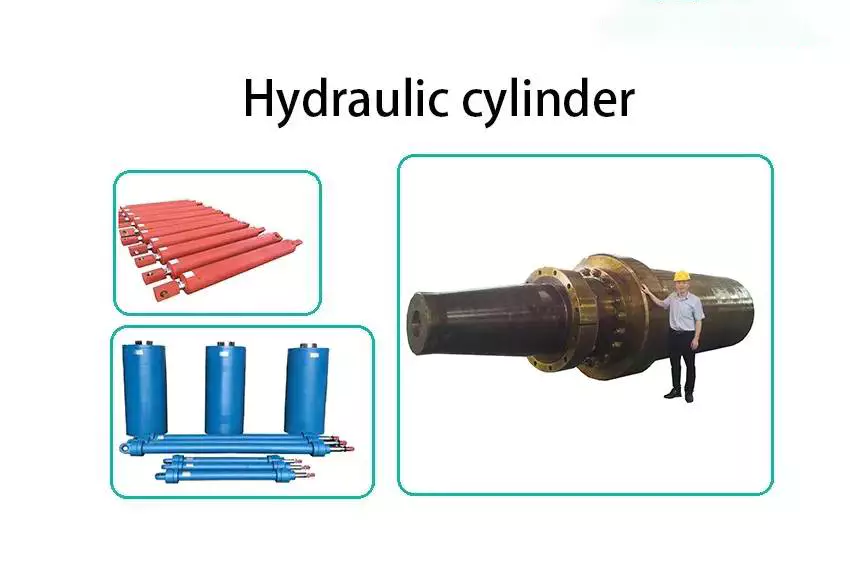
| Name | Hydraulic drawbench cylinder |
| Bore diameter | 800 мм |
| Rod diameter | 400mm |
| Stroke | 10800mm |
| Working pressure | 27MPa |
| Piston rod material | CK45 |
| Bore material | CK45 |
| Numbers(MOQ) | 1 pcs |
| Package | Packing strap |
| Application | Hydraulic drawbench |
Lian Hydraulic was formed in HangZhou of China with the mission of supplying the world class hydraulic cylinders and hydraulic systems to the various industrial sectors .
Since that date our company has successfully completed numerous installations throughout the Chinese mainland and abroad.
Our factory floor space exceeds 38,000 Sqr. CHINAMFG and our 20 cranes provide us with the capability to handle and machine cylinders and components weighing up to 150,000kgs.
From conception to installation our engineers, factory staff and salesmen strive to ensure that our customers receive the very best in quality products and service.
Our manufacturing facility is capable of producing hydraulic cylinders up to the following dimensions:
Bore Diameter – 2,500 mm
Rod Diameter – 1,500 mm
Stroke – 20,000 mm
The Typical Applications:
Machine Manufacturing
Casting Cylinders
Mobile Hydraulics
Press Manufacturing
Hydroelectric Industry
Offshore Industry
Mining Industry
Hydraulic Systems
Lian Hydraulic source raw materials exclusively from the most reputable and quality approved suppliers in China such as ( HangZhou Pangang, ZheJiang Valin Steel, ZheJiang Baosteel etc.)
We at Lian Hydraulic invite all customers to consider our facility for your next hydraulic project.
| Сертификаттау: | ISO9001 |
|---|---|
| Қысым: | Орташа қысым |
| Жұмыс температурасы: | Қалыпты температура |
| Актерлік тәсіл: | Бір актерлік |
| Жұмыс әдісі: | Тікелей сапар |
| Түзетілген форма: | Реттелетін түрі |
| Теңшеу: | Қолжетімді |
|
|---|

What advancements in hydraulic cylinder technology have improved sealing and reliability?
Advancements in hydraulic cylinder technology have continuously contributed to improving sealing and reliability in hydraulic systems. These advancements aim to address common challenges such as leakage, wear, and failure of seals, ensuring optimal performance and longevity. Here are several key advancements that have significantly improved sealing and reliability in hydraulic cylinders:
1. High-Performance Sealing Materials:
– The development of advanced sealing materials has greatly improved the sealing capabilities of hydraulic cylinders. Traditional sealing materials like rubber have been replaced or enhanced with high-performance materials such as polyurethane, PTFE (polytetrafluoroethylene), and various composite materials. These materials offer superior resistance to wear, temperature, and chemical degradation, resulting in improved sealing performance and extended seal life.
2. Enhanced Seal Designs:
– Advancements in seal designs have focused on improving sealing efficiency and reliability. Innovative seal profiles, such as lip seals, wipers, and scrapers, have been developed to optimize fluid retention and prevent contamination. These designs provide better sealing performance, minimizing the risk of fluid leakage and maintaining system integrity. Additionally, improved seal geometries and manufacturing techniques ensure tighter tolerances, reducing the potential for seal failure due to misalignment or extrusion.
3. Integrated Seal and Bearing Systems:
– Hydraulic cylinders now incorporate integrated seal and bearing systems, where the sealing elements also serve as bearing surfaces. This design approach reduces the number of components and potential failure points, improving overall reliability. By integrating seals and bearings, the risk of seal damage or displacement due to excessive loads or misalignment is minimized, resulting in enhanced sealing performance and increased reliability.
4. Advanced Coatings and Surface Treatments:
– The application of advanced coatings and surface treatments to hydraulic cylinder components has significantly improved sealing and reliability. Coatings such as chrome plating or ceramic coatings enhance surface hardness, wear resistance, and corrosion resistance. These surface treatments provide a smoother and more durable surface for seals to operate against, reducing friction and improving sealing performance. Moreover, specialized coatings can also provide self-lubricating properties, reducing the need for additional lubrication and enhancing reliability.
5. Sealing System Monitoring and Diagnostic Technologies:
– The integration of monitoring and diagnostic technologies in hydraulic systems has revolutionized seal performance and reliability. Sensors and monitoring systems can detect and alert operators to potential seal failures or leaks before they escalate. Real-time monitoring of pressure, temperature, and seal performance parameters allows for proactive maintenance and early intervention, preventing costly downtime and ensuring optimal sealing and reliability.
6. Computational Modeling and Simulation:
– Computational modeling and simulation techniques have played a significant role in advancing hydraulic cylinder sealing and reliability. These tools enable engineers to analyze and optimize seal designs, fluid flow dynamics, and contact stresses. By simulating various operating conditions, potential issues such as seal extrusion, wear, or leakage can be identified and mitigated early in the design phase, resulting in improved sealing performance and enhanced reliability.
7. Systematic Maintenance Practices:
– Advances in hydraulic cylinder technology have also emphasized the importance of systematic maintenance practices to ensure sealing and overall system reliability. Regular inspection, lubrication, and replacement of seals, as well as routine system flushing and filtration, help prevent premature seal failure and optimize sealing performance. Implementing preventive maintenance schedules and adhering to recommended service intervals contribute to extended seal life and enhanced reliability.
In summary, advancements in hydraulic cylinder technology have led to significant improvements in sealing and reliability. High-performance sealing materials, enhanced seal designs, integrated seal and bearing systems, advanced coatings and surface treatments, sealing system monitoring and diagnostics, computational modeling and simulation, and systematic maintenance practices have all played key roles in achieving optimal sealing performance and increased reliability. These advancements have resulted in more efficient and dependable hydraulic systems, minimizing leakage, wear, and failure of seals, and ultimately improving the overall performance and longevity of hydraulic cylinders in diverse applications.
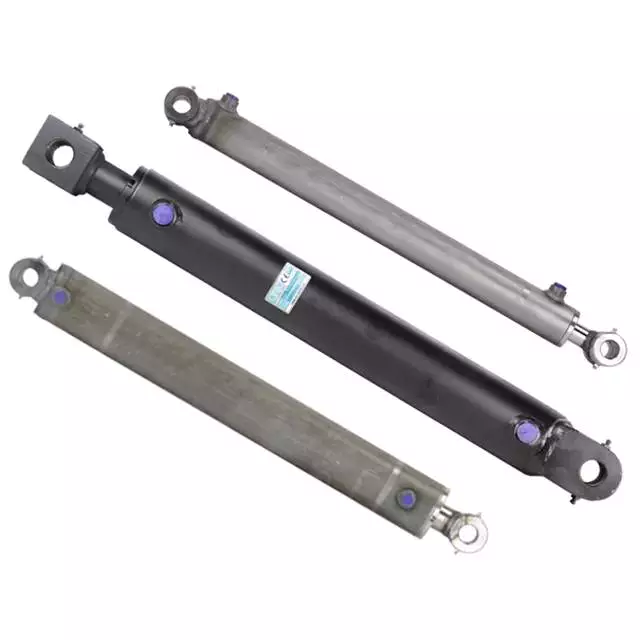
What considerations are important when selecting hydraulic cylinders for mobile equipment?
To select hydraulic cylinders for mobile equipment, several important considerations need to be taken into account. Here are the key factors to consider:
- Load Capacity: Determine the maximum load or force that the hydraulic cylinder will need to support. This includes both the static load and any dynamic or shock loads that may be encountered during operation.
- Stroke Length: Consider the required stroke length, which is the distance the hydraulic cylinder can extend and retract. Ensure that the stroke length is sufficient for the specific application and range of motion needed.
- Operating Pressure: Determine the maximum operating pressure required for the hydraulic system. This will depend on the load and the specific application. Select a hydraulic cylinder with a pressure rating that exceeds the maximum operating pressure to ensure safety and durability.
- Mounting Style: Consider the available space and the mounting requirements of the mobile equipment. Hydraulic cylinders come in various mounting styles, such as flange, trunnion, clevis, and pivot, among others. Choose a mounting style that is compatible with the equipment and provides the necessary support and stability.
- Size and Weight: Take into account the physical dimensions and weight of the hydraulic cylinder. Ensure that it can fit within the available space and that the equipment can support its weight without compromising performance or safety.
- Speed and Precision: Evaluate the required speed and precision of the hydraulic cylinder’s movement. Different cylinder designs and configurations can affect the speed and accuracy of motion. Consider factors such as cylinder bore size, rod diameter, and the presence of cushioning or dampening features.
- Environmental Factors: Assess the operating environment of the mobile equipment. Consider factors such as temperature extremes, exposure to moisture, dust, and chemicals. Select hydraulic cylinders with appropriate seals and coatings that can withstand the environmental conditions and prevent corrosion or damage.
- Reliability and Maintenance: Consider the reliability and maintenance requirements of the hydraulic cylinders. Look for reputable manufacturers that provide high-quality products with a proven track record. Evaluate factors such as expected service life, availability of spare parts, and ease of maintenance.
- Cost: Finally, consider the cost of the hydraulic cylinders, including the initial purchase price, installation costs, and long-term maintenance expenses. While it is essential to find a cost-effective solution, prioritize quality and performance to ensure safe and efficient operation.
Гидравликалық цилиндрлер жұмыс кезінде жүктеме мен қысымның өзгеруін қалай басқарады?
Гидравликалық цилиндрлер жұмыс кезінде жүктеме мен қысымның ауытқуларын өңдеуге арналған, бұл оларды әртүрлі қолданбаларда жан-жақты және тиімді етеді. Гидравликалық жүйелер сызықтық қозғалысты тудыру үшін сығылмайтын сұйықтық арқылы күш беру принципін қолданады. Гидравликалық цилиндрлердің жүктеме мен қысымның ауытқуларын қалай өңдейтіні туралы егжей-тегжейлі түсініктеме берілген:
1. Жүктемені өңдеу:
– Гидравликалық цилиндрлер Паскаль заңының принципін пайдалану арқылы әртүрлі жүктемелерді көтере алады. Паскаль заңына сәйкес, жабық кеңістіктегі сұйықтыққа қысым түсірілгенде, қысым барлық бағытта бірдей беріледі. Гидравликалық цилиндрде поршеньге түсірілген күш цилиндрдің шыбық ұшында бірдей күш шығарады. Поршеньнің өлшемі мен түсірілген қысым цилиндр тудыратын күшті анықтайды. Сондықтан, гидравликалық цилиндрлер сұйықтыққа түсірілген қысымды реттеу арқылы әртүрлі жүктемелерді көтере алады.
2. Қысымды өтеу:
– Гидравликалық жүйелер жұмыс кезінде қысымның ауытқуларын басқару үшін қысымды өтеу механизмдерін қамтиды. Жүктеменің өзгеруіне қарамастан, гидравликалық жүйеде тұрақты қысымды ұстап тұру үшін қысымды өтеу клапандары немесе реттегіштері жиі қолданылады. Бұл клапандар гидравликалық цилиндрдің тұрақты және бақыланатын жұмысын қамтамасыз ету үшін ағын жылдамдығын немесе қысымды автоматты түрде реттейді. Қысымның ауытқуларын өтеу арқылы гидравликалық цилиндрлер тұрақты күш шығысын сақтай алады және шамадан тыс қысымнан туындаған зақымдануды немесе тұрақсыздықты болдырмайды.
3. Басқару клапандары:
– Басқару клапандары гидравликалық цилиндрдің жұмысы кезінде қысым мен жүктеменің ауытқуларын басқаруда маңызды рөл атқарады. Катушка клапандары немесе рычаг клапандары сияқты бағыттаушы басқару клапандары гидравликалық сұйықтықтың цилиндрге және одан ағынын басқарады, бұл цилиндрдің созылуы мен тартылуын дәл басқаруға мүмкіндік береді. Басқару клапанының орнын реттеу арқылы гидравликалық цилиндрдің жылдамдығы мен күшін қолданбаның жүктеме мен қысым талаптарына сәйкес реттеуге болады. Басқару клапандары гидравликалық жүйені дәл баптау арқылы жүктеме мен қысымның ауытқуларын тиімді басқаруға мүмкіндік береді.
4. Аккумуляторлар:
– Гидравликалық аккумуляторлар көбінесе қысым мен жүктеменің ауытқуларын басқару үшін қолданылады. Аккумуляторлар гидравликалық сұйықтықты қысым астында сақтайды, оны жүктеменің немесе қысымның кенеттен өзгеруін өтеу үшін қажет болған жағдайда босатуға немесе сіңіруге болады. Гидравликалық цилиндрге жүктеме азайған кезде, аккумулятор қысымды ұстап тұру және қысымның күрт көтерілуіне жол бермеу үшін сақталған сұйықтықты босатады. Керісінше, цилиндрге жүктеме артқан кезде, аккумулятор жүйенің тұрақтылығын сақтау үшін артық сұйықтықты сіңіреді. Аккумуляторларды пайдалану арқылы гидравликалық цилиндрлер жүктеме мен қысымның ауытқуларын тиімді түрде басқара алады, бұл тегіс және бақыланатын жұмысты қамтамасыз етеді.
5. Кері байланыс және басқару жүйелері:
– Жетілдірілген гидравликалық жүйелер гидравликалық цилиндрлердің жұмысын нақты уақыт режимінде бақылау және реттеу үшін кері байланыс және басқару жүйелерін қамтуы мүмкін. Орналасу сенсорлары немесе қысым сенсорлары цилиндрдің орналасуы, күші және қысымы туралы кері байланыс береді, бұл басқару жүйесіне өнімділікті оңтайландыру үшін үздіксіз түзетулер енгізуге мүмкіндік береді. Бұл жүйелер жүктеме мен қысымның өзгеруіне автоматты түрде бейімделе алады, бұл гидравликалық цилиндрдің дәл басқарылуын және тиімді жұмысын қамтамасыз етеді.
6. Дизайнды ескеретін жайттар:
– Жүктеме мен қысымның ауытқуларын өңдеу үшін тиісті цилиндр өлшемін, поршень диаметрін және шыбық диаметрін таңдау сияқты дұрыс жобалау мәселелері өте маңызды. Гидравликалық цилиндрдің белгіленген диапазонда жұмыс істеуін қамтамасыз ету үшін жобалауда күтілетін максималды жүктеме мен қысым жағдайлары ескерілуі керек. Сонымен қатар, күтілетін жүктеме мен қысым ауытқуларына төтеп бере алатын тиісті тығыздағыштарды, материалдарды және компоненттерді таңдау гидравликалық цилиндрдің сенімділігі мен ұзақ қызмет ету мерзімін сақтау үшін өте маңызды.
Гидравликалық жүйелердің принциптерін пайдалану, қысымды өтеу механизмдерін енгізу, басқару клапандары мен аккумуляторларды пайдалану және кері байланыс және басқару жүйелерін енгізу арқылы гидравликалық цилиндрлер жұмыс кезінде жүктеме мен қысымның ауытқуларын тиімді түрде басқара алады. Бұл мүмкіндіктер мен дизайн ерекшеліктері гидравликалық цилиндрлердің кең ауқымды қолданбалар мен жұмыс жағдайларында бейімделуіне және оңтайлы жұмыс істеуіне мүмкіндік береді.


editor by CX 2023-11-24