
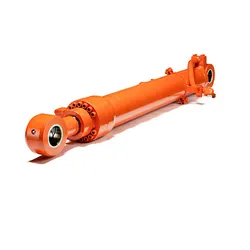
Product Description
| Cylinder Type: | Mill type, head bolted, base welded |
| Structure: | Piston type |
| Standard: | GB/T15622-1995 JB/T15715-2000 |
| 孔径: | Up to 700mm |
| 杆径: | Up to 500mm |
| Stroke length: | Up to 10,000mm |
| Piston rod material: | 20#,45#,40Cr, 27SiMn,30CrMo,35CrMo,42CrMo |
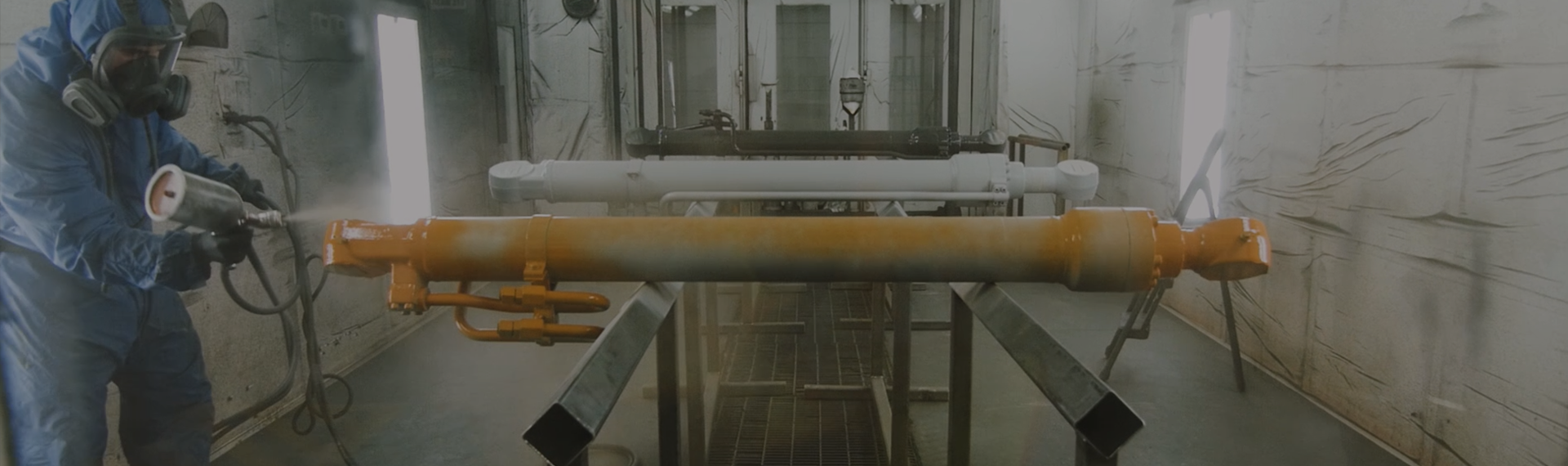
| Rod surface treatment: | Hard chrome plated, chrome/nickel plated, ceramic coated |
| Tube material: | 20#, 25#, 45#, 27SiMn,30CrMo,35CrMo,42CrMo |
| Tube surface painting: | Colors as RAL, thickness according to request |
| Mounting type: | Clevis, cross tube, flange, trunnion, tang, thread |
| Design pressure: | Up to 40Mpa |
| Seal kits type: | PARKER, MERKEL, HALLITE, NOK, TRELLEBORG |
/* May 10, 2571 16:49:51 */!function(){function d(e,r){var a,o={};try{e&&e.split(“,”).forEach(function(e,t){e&&(a=e.match(/(.*?):(.*)$/))&&1
How does a boom cylinder handle variations in environmental conditions?
A boom cylinder is designed to handle variations in environmental conditions effectively. Here’s a detailed explanation:
Environmental conditions can vary significantly in different work environments where heavy equipment operates. Boom cylinders are constructed to withstand these variations and continue to function reliably. Here are some ways in which boom cylinders handle variations in environmental conditions:
- Sealing and Protection: Boom cylinders are equipped with seals and protective measures to prevent the intrusion of contaminants, such as dust, dirt, water, or debris. The seals help maintain the integrity of the hydraulic system and protect internal components from damage caused by environmental factors. Additionally, protective coatings or treatments are often applied to the cylinder’s exterior to enhance its resistance to corrosion and wear.
- Temperature Resistance: Boom cylinders are designed to operate within a wide temperature range. They are constructed using materials that can withstand both high and low temperatures without compromising performance. Specialized seals and hydraulic fluids are utilized to maintain proper functionality and prevent damage, even in extreme temperature conditions.
- Fluid Compatibility: Hydraulic fluids used in boom cylinders are carefully selected to ensure compatibility with the anticipated environmental conditions. Factors such as temperature, humidity, and chemical exposure are taken into account when choosing the appropriate hydraulic fluid. The selected fluid should have the necessary viscosity and additives to provide optimal lubrication, prevent foaming, and resist degradation under the specific environmental conditions.
- Corrosion Resistance: Boom cylinders are often exposed to environments that may contain corrosive elements, such as saltwater, chemicals, or acidic substances. To handle these conditions, cylinders are manufactured using materials that exhibit high corrosion resistance. Protective coatings, such as chrome plating or specialized paint, can be applied to further enhance the cylinder’s ability to withstand corrosive environments.
- Regular Maintenance: Proper and regular maintenance is essential to keep boom cylinders in optimal condition and mitigate the effects of environmental variations. This includes inspections, cleaning, lubrication, and seal replacements as needed. By following manufacturer-recommended maintenance schedules and procedures, operators can address potential issues early on and ensure the longevity and reliability of the boom cylinders.
By incorporating sealing and protection mechanisms, temperature resistance, fluid compatibility, corrosion resistance, and regular maintenance practices, boom cylinders are designed to handle variations in environmental conditions. These features enable them to operate effectively and maintain their performance in diverse work environments, including construction sites, mining operations, forestry applications, and more.
It’s important to consult the equipment manufacturer’s guidelines and recommendations for specific environmental considerations and maintenance practices related to boom cylinders. This will help ensure the proper functioning and longevity of the cylinders in various operating conditions.
How does a boom cylinder contribute to load distribution and control?
A boom cylinder plays a significant role in load distribution and control. Here’s a detailed explanation:
In various applications such as construction equipment, material handling machinery, and mobile cranes, boom cylinders are responsible for supporting and controlling the load. They help distribute the load forces and provide precise control over the movement of the boom or arm. Here’s how a boom cylinder contributes to load distribution and control:
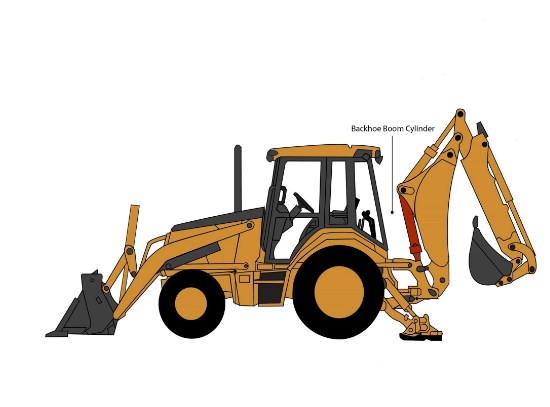
- Load Support: Boom cylinders are designed to withstand and support the loads encountered during operation. They are typically mounted between the machine’s main body and the boom structure, providing a connection that carries the weight and forces of the load. The cylinder’s robust construction and load-bearing capacity ensure that the load is evenly distributed and properly supported.
- Force Generation: Boom cylinders generate the required force to control the movement of the boom or arm. By extending or retracting, the cylinder exerts force on the boom, allowing it to lift, lower, swing, or articulate as needed. The cylinder’s ability to generate and regulate force ensures precise load control, contributing to safe and efficient operation.
- Load Stabilization: Boom cylinders help stabilize the load during lifting or movement. By resisting undesired movements or vibrations, the cylinder assists in maintaining the load’s stability and preventing excessive swinging, tilting, or shifting. The controlled movement provided by the cylinder helps minimize the risk of load damage or accidents, ensuring safer and more controlled operations.
- Balance and Alignment: Boom cylinders aid in achieving balance and alignment of the load. By controlling the extension or retraction of the boom, they allow operators to adjust the position of the load relative to the machine’s center of gravity. This balancing capability helps optimize stability, prevent tipping, and enable precise positioning of the load.
- Controlled Speed: Boom cylinders enable precise control over the speed of load movement. By regulating the extension or retraction speed, the cylinder allows operators to adjust the lifting or lowering speed according to the requirements of the task. This controlled speed enhances load handling precision, minimizes impact forces, and improves overall safety.
The use of a boom cylinder in load distribution and control offers several benefits:
- Enhanced Safety: Boom cylinders contribute to load stabilization, balance, and controlled movement, reducing the risk of load accidents or instability.
- Precise Load Handling: The force generation and controlled speed provided by boom cylinders enable operators to handle loads with precision, ensuring accurate placement and minimizing the potential for damage.
- Improved Efficiency: Boom cylinders facilitate efficient load distribution and control, enhancing productivity and reducing the time required to complete tasks.
- Load Capacity Optimization: By supporting and distributing the load forces, boom cylinders help optimize the machine’s load capacity and performance.
Overall, a boom cylinder is a crucial component in load distribution and control. It provides load support, generates force, stabilizes the load, aids in balance and alignment, and enables controlled speed. These features contribute to safe, precise, and efficient load handling in various applications.
It’s important to follow the manufacturer’s guidelines and recommendations regarding the selection, installation, and maintenance of boom cylinders to ensure their proper functioning and optimal load control.
What is the importance of regular maintenance for boom cylinders?
Regular maintenance for boom cylinders is of utmost importance to ensure their optimal performance, longevity, and safe operation. Here’s a detailed explanation of the importance of regular maintenance:
- Performance and Efficiency: Regular maintenance helps to maintain the performance and efficiency of boom cylinders. Over time, wear and tear, contamination, and fluid degradation can affect the cylinder’s components, such as seals, rods, and piston surfaces. By conducting routine inspections, cleaning, and lubrication, potential issues can be identified and addressed promptly, ensuring smooth operation, minimizing energy loss, and maximizing the cylinder’s performance.
- Prevention of Malfunctions: Regular maintenance plays a crucial role in preventing unexpected malfunctions or failures of boom cylinders. By inspecting and maintaining the cylinder, operators and maintenance personnel can identify and address potential issues, such as leaks, damaged seals, or misalignment, before they escalate into more significant problems. Timely maintenance helps prevent costly downtime, equipment damage, and potential safety hazards.
- Extended Lifespan: Proper maintenance significantly extends the lifespan of boom cylinders. Regular cleaning, lubrication, and inspection help to minimize wear and corrosion on critical components. By addressing issues promptly and performing necessary repairs or replacements, the overall lifespan of the cylinder can be prolonged, reducing the need for premature replacements and associated costs.
- Safety: Regular maintenance is essential for ensuring the safety of operators and those working around the equipment. Boom cylinders operate under high pressures and handle heavy loads, making their proper functioning crucial for safe operation. By conducting regular maintenance, potential safety hazards can be identified, such as damaged components, leakages, or compromised structural integrity. This allows for timely repairs or replacements, ensuring the safe operation of the boom cylinder and minimizing the risk of accidents or equipment failures.
- Manufacturer’s Recommendations: Following the manufacturer’s recommended maintenance schedule is vital for boom cylinders. Manufacturers provide specific guidelines on inspection intervals, lubrication requirements, and other maintenance tasks based on the cylinder’s design and usage. Adhering to these recommendations helps maintain warranty coverage, ensures compliance with safety standards, and preserves the cylinder’s optimal performance as intended by the manufacturer.
In conclusion, regular maintenance for boom cylinders is crucial for maintaining performance, preventing malfunctions, extending lifespan, ensuring safety, and adhering to manufacturer’s recommendations. By investing in routine maintenance and addressing any identified issues promptly, operators can maximize the efficiency, reliability, and longevity of boom cylinders, ultimately contributing to the overall productivity and safety of heavy machinery operations.
<img src="https://img.jiansujichilun.com/img/hydrauliccylinders/hydrauliccylinders-l1.webp" alt="China best Csdls Cheap Price Good Hydraulic Oil Cylinder Manufacturer Excavator Boom Cylinder vacuum pump diy”><img src="https://img.jiansujichilun.com/img/hydrauliccylinders/hydrauliccylinders-l2.webp" alt="China best Csdls Cheap Price Good Hydraulic Oil Cylinder Manufacturer Excavator Boom Cylinder vacuum pump diy”>
editor by Dream 2024-10-12